
Paellagate: Jamie Oliver and the day Spain exploded
On 4 October, Jamie Oliver shared a recipe for paella with chicken and chorizo. Within a few hours he was trending in Spain, and two months later he told British television that he had even received death threats. Over, as he put it himself, “a bit of sausage”. A reconstruction of #Paellagate.
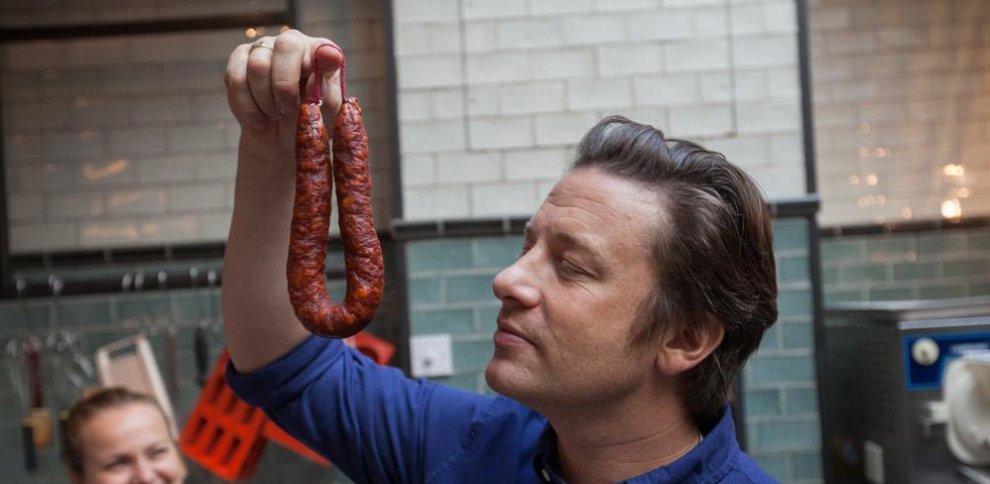
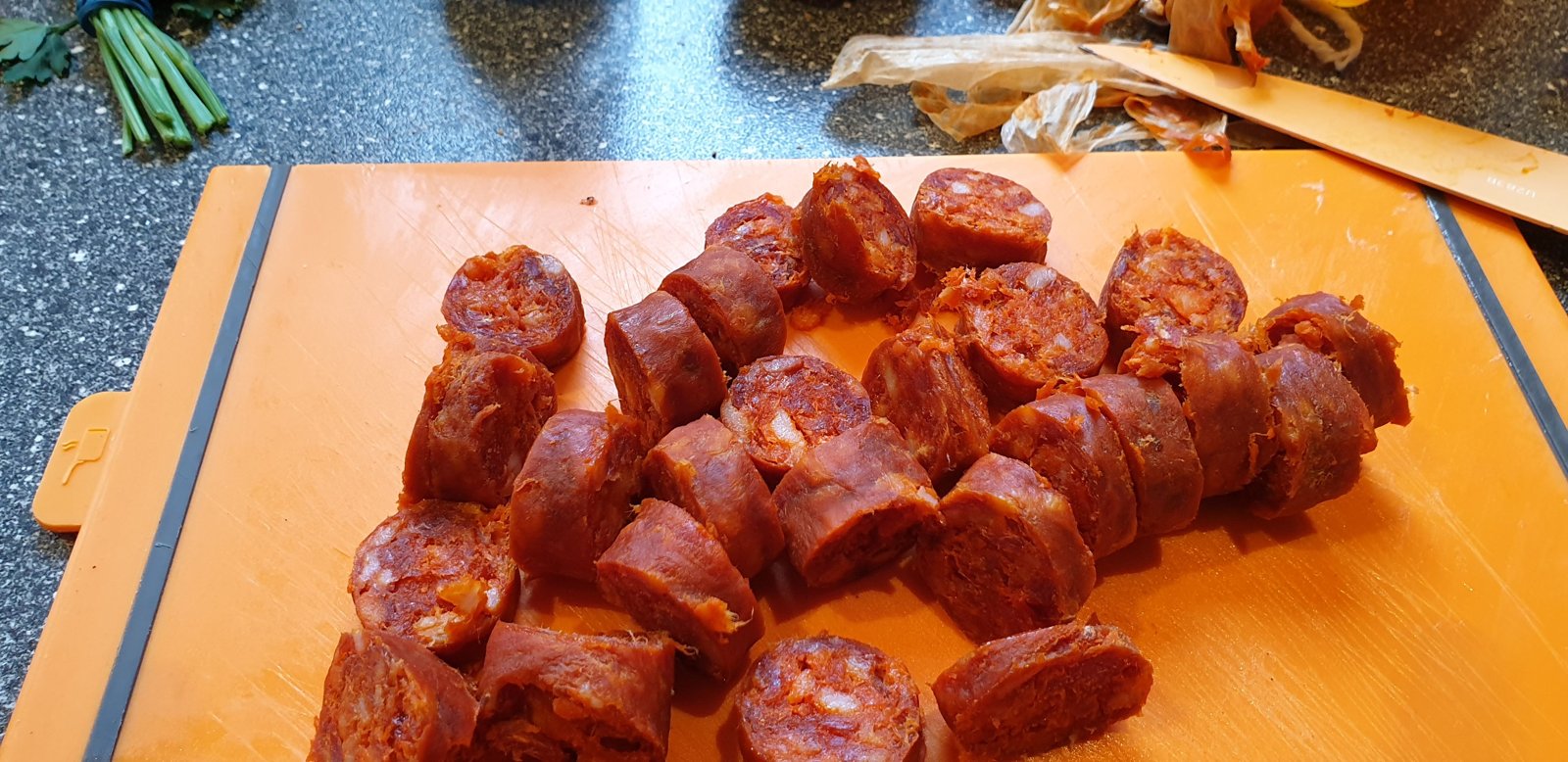
Anyone who has read my blog about Tarragona already knows: no chorizo goes into my paella pan. 😊 That little joke comes from somewhere. Because if you say “paella” and “chorizo” in one sentence in Spain, everyone immediately thinks of one man: Jamie Oliver.
Time to put the whole story in order. From the tweet to the talk show, with memes, politicians, culinary purists and a surprising find in the archives.
One tweet on a Tuesday morning
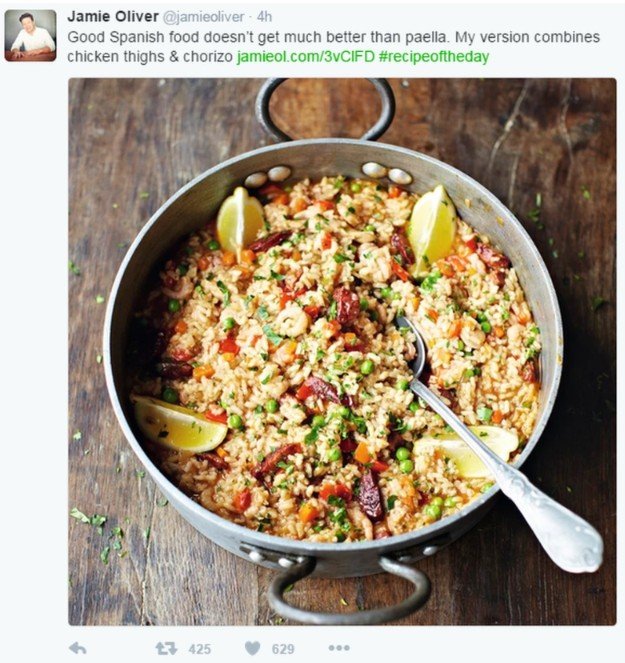
Tuesday 4 October. Jamie Oliver does what he does every day: he shares his recipe of the day. “Good Spanish food doesn't get much better than paella”, he writes. Nobody in Spain would disagree. But then comes: “My version combines chicken thighs & chorizo.”
Chicken and chorizo. In a paella. Within a few hours Jamie Oliver is trending in Spain, and that same afternoon Spanish newspapers are already publishing whole collections of reactions and memes.
Remember those two little words, “my version”, by the way. They will matter later on.
It wasn't just the chorizo
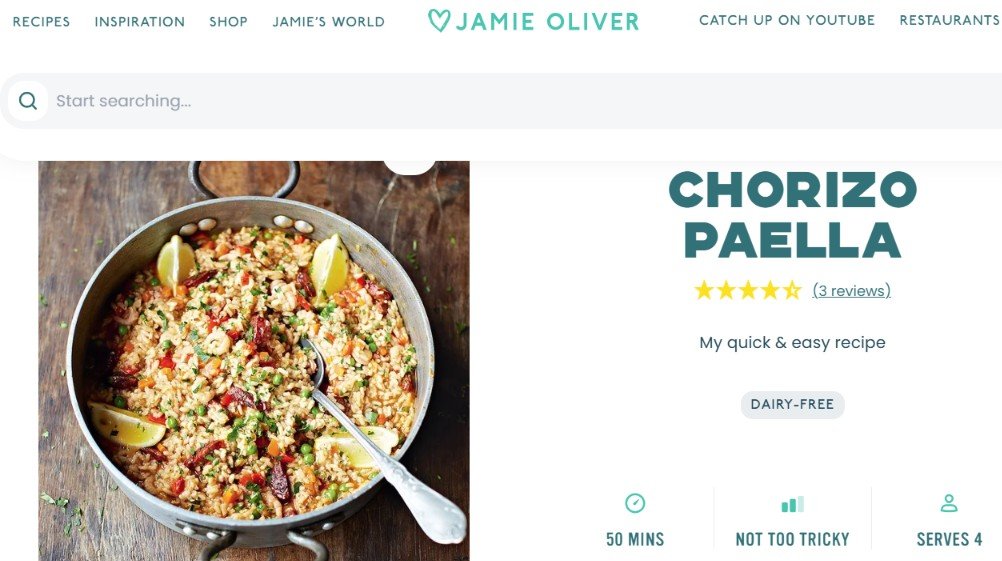
As a paellero I have to be honest: I do understand the Spanish astonishment. Not the anger, but the astonishment. Because anyone who looks at the recipe on Jamie's website (it is still there, as “Chicken & chorizo paella”) will see that those 70 grams of chorizo are only the beginning. It also contains onion, carrot, red pepper, tomato purée, a chicken stock cube, frozen peas and frozen cooked prawns.
The method is different too: the rice cooks under a lid and is stirred regularly. With a paella it is the other way round: a wide, shallow pan without a lid, letting the stock evaporate and above all leaving the rice alone, so that the socarrat forms at the bottom. The chorizo became the symbol of the row, but really the whole dish was far from what Valencians understand by paella.
Spain united. At last.
The timing could not have been better. Spain was stuck in a long political deadlock: two elections had still not produced a government, and the country had been divided for months. And then came Jamie. The Guardian summed it up nicely: what Spanish politicians could not manage, a British TV chef achieved with a bit of sausage. Spain was united again. Against Jamie Oliver.
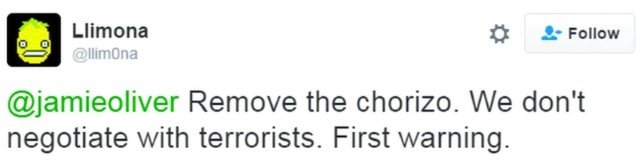
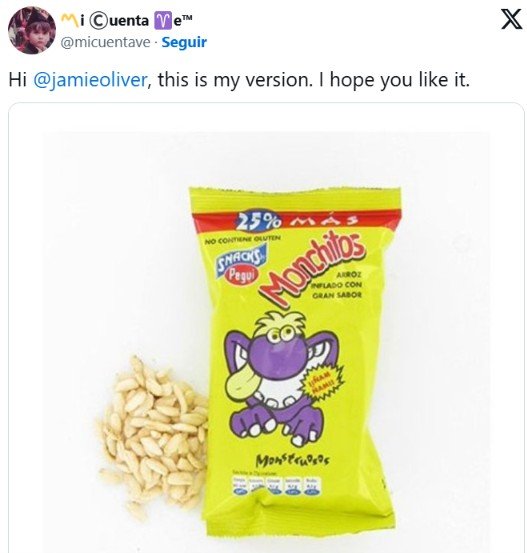
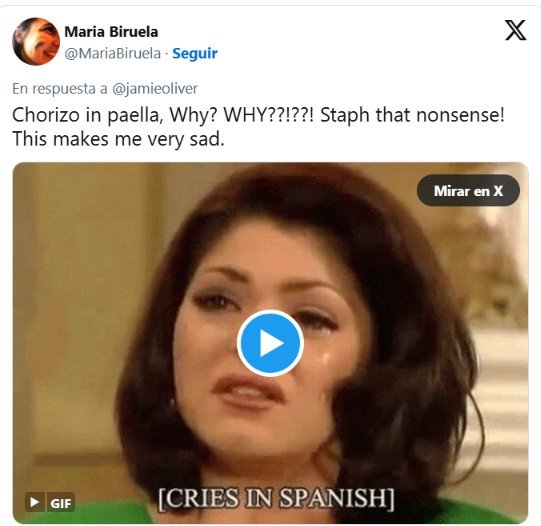
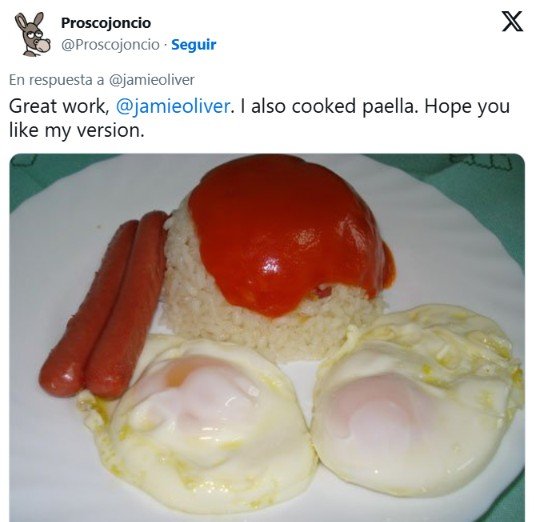
Fortunately most reactions were mainly funny. The best known: “Remove the chorizo. We don't negotiate with terrorists. First warning.” Others struck back at British cooking: they deliberately made odd versions of English classics and proudly called them “my version”. And my favourite: someone put Jamie's paella next to the famously botched restoration of the Ecce Homo fresco in Borja. It wasn't subtle. But it was funny.
In Spain, chorizo also means something else
Beneath the jokes lay another layer that is easily missed outside Spain. Chorizo is of course a sausage, but in everyday speech a chorizo is also a thief or a crook. And in those years Valencia just happened to be full of corruption cases involving the PP (Partido Popular).
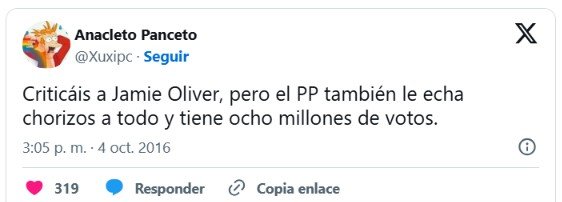
Twitter did the rest. Why all the fuss about Jamie putting chorizos in his paella, someone asked, when the PP (Partido Popular) puts chorizos in everything and still gets eight million votes? Former Valencia mayor Rita Barberá turned up in the memes too. And so, within a few hours, a simple recipe became typically Spanish national theatre: food, politics, regional pride and wordplay, all in the same pan.
Chefs, Canada and “my version”
You would think every Spanish cook wanted to escort Jamie to the border personally, but it wasn't that bad. TV chef Alberto Chicote responded with a wink and an invitation. Spanish-American chef José Andrés even stood up for him: maybe not a paella, but you could still see it as a Spanish arroz. And Omar Allibhoy, who became known in England with Tapas Revolution, felt the mistake was mainly in the name. Improvising is simply Jamie's style; had he called it “Spanish rice”, there would have been little fuss.
Jamie himself was in Toronto at the time, promoting a new cookbook. Naturally he was asked about the row. His defence was simple: hadn't he written “my version”? He stood by his recipe, because it simply tasted good. A few days later he told La Vanguardia he was astonished by the fierceness of the reactions. He had wanted to celebrate Spanish cooking, and got (loosely translated) a kick up the backside for it.
And then history made it even more complicated
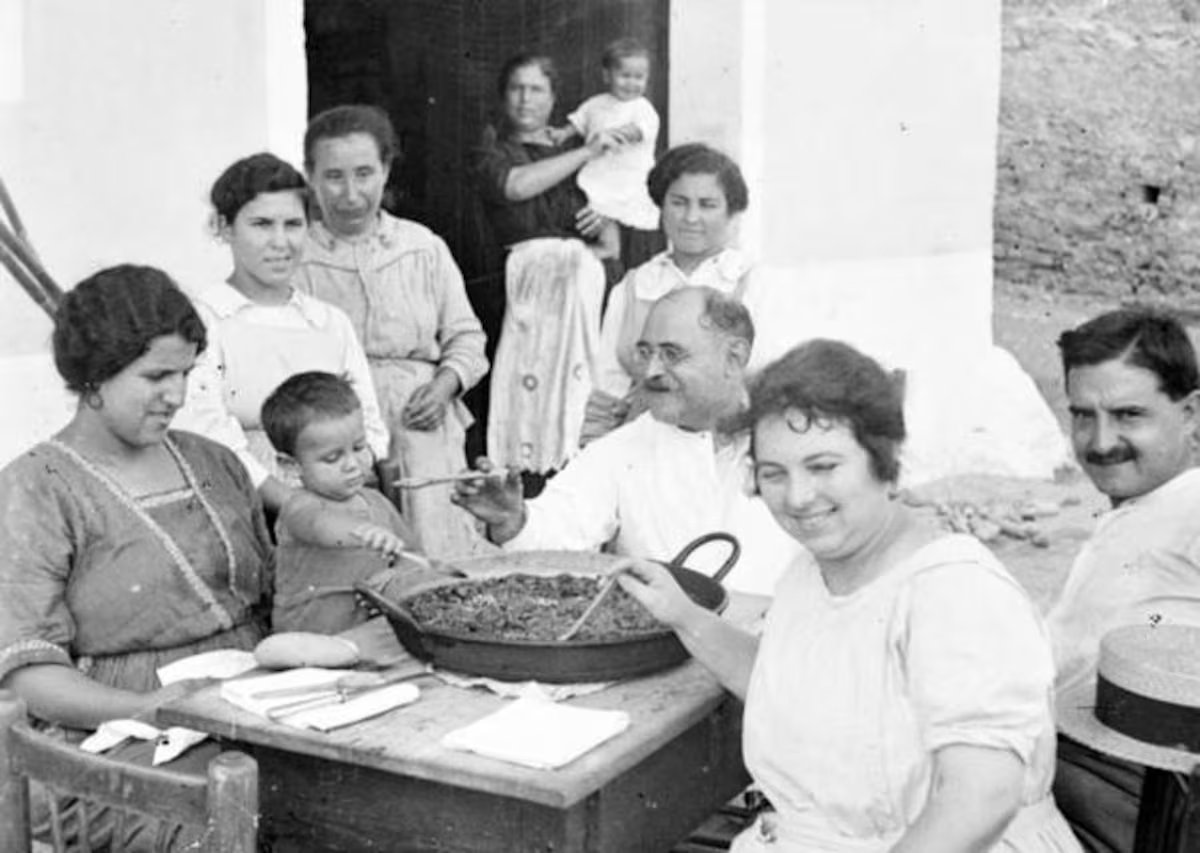
The story could have ended neatly here: the Brit experiments, the Valencians protest, everyone has a cerveza and goes home. But then culinary historian Ana Vega dug into the archives for El Comidista. And what did she find? There are old descriptions of paella with chorizo. A travel account of Valencia from the 1870s describes a paella with saffron rice, chicken, chorizo, eel and artichoke, and Vega found more old authors who mentioned chorizo in paella.
That perhaps doesn't make chorizo part of the modern Paella Valenciana straight away, which has a clear list of ingredients. But it does show that tradition moves. What we now see as the one true version is itself the result of years of change, adaptation and codification. The paella of 1870 was not the same as that of 1970.
Death threats over a bit of sausage
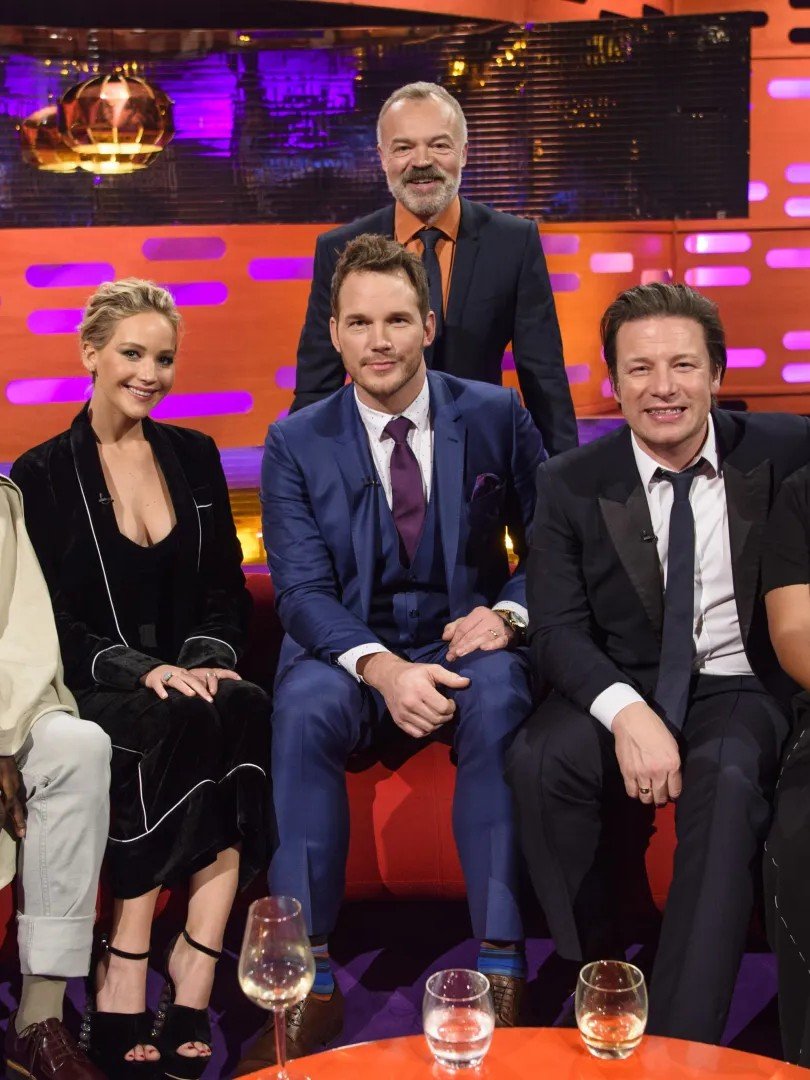
In early December, Jamie appeared on The Graham Norton Show. Norton brought out the Spanish tweets again and the audience was in stitches. Then Jamie said that these were actually the polite messages. According to him it had become much darker, the subject had trended for weeks and he had even received death threats. Over “a bit of sausage”.
For the record: that Jamie said this is reported in many reliable sources. How many threats there were, or who sent them, I have not seen independently confirmed anywhere. That there were also grim reactions from day one, I have.
And then the best part. After two months of Paellagate, Jamie could have made peace. He did the opposite: according to him, it simply tasted better with chorizo.
So: does chorizo belong in paella?
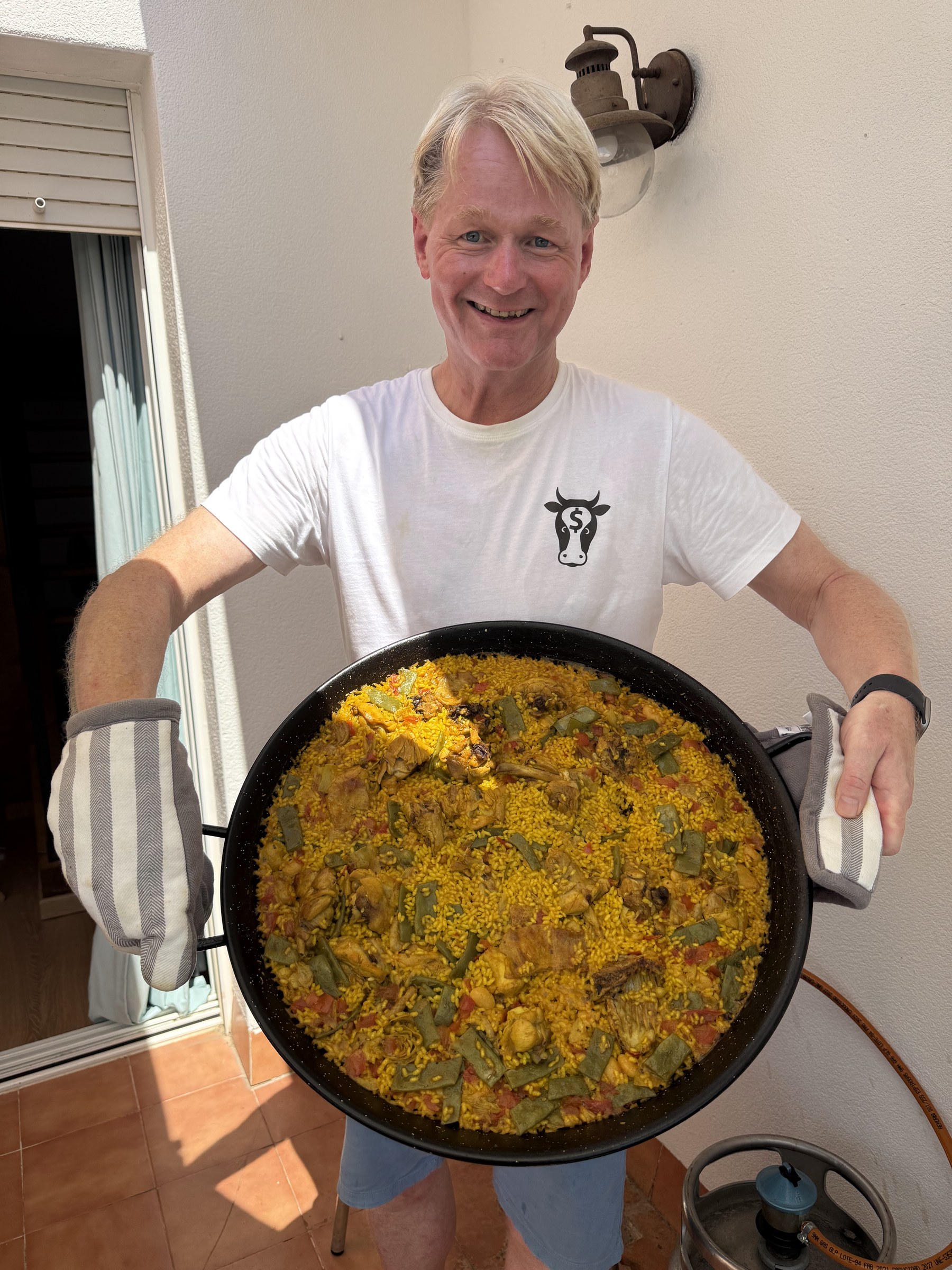
Would I put chorizo in a Paella Valenciana? No. And if I cooked Jamie's recipe, with carrot, stock cube, frozen peas and a lid on the pan, I wouldn't call it paella myself. Following one of the reactions to Jamie's recipe, I would rather call it arroz con cosas: rice with things.
Still, to me Paellagate is above all a great story, because it shows that food is never just food. A paella holds family, Sundays, regional pride and history. Anyone who has sat around the pan with the whole family on a Sunday in Valencia understands that this was about much more than 70 grams of sausage. At the same time, cooking must be allowed to stay alive. The original paellas of Valencia themselves came about by improvising with what was close at hand: rabbit and snails in the countryside, fish and seafood on the coast. And a tasty dish simply deserves a tasty story.
Want to make a real paella yourself?
Curious what a Paella Valenciana looks like without chorizo? In my step-by-step blog I show exactly how I make it. And with the calculator you work out how much you need for your pan and your guests.