
Making a paella de marisco in Tarragona
Today I'm taking you along to make a real paella here in Tarragona, with fresh ingredients from the city itself. And at the end of this blog I'll also give you a few suggestions for restaurants where you can eat a good paella in Tarragona.
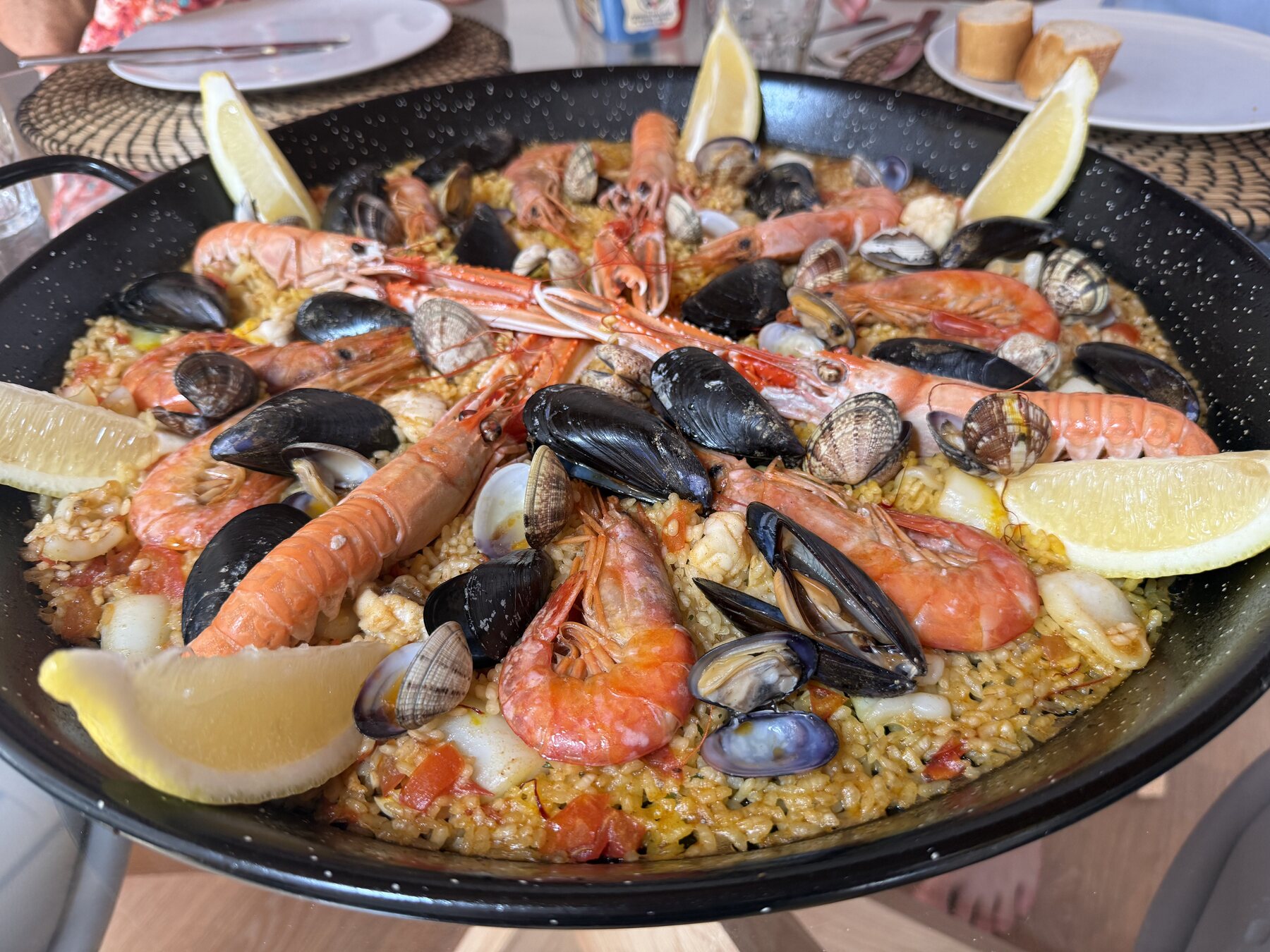
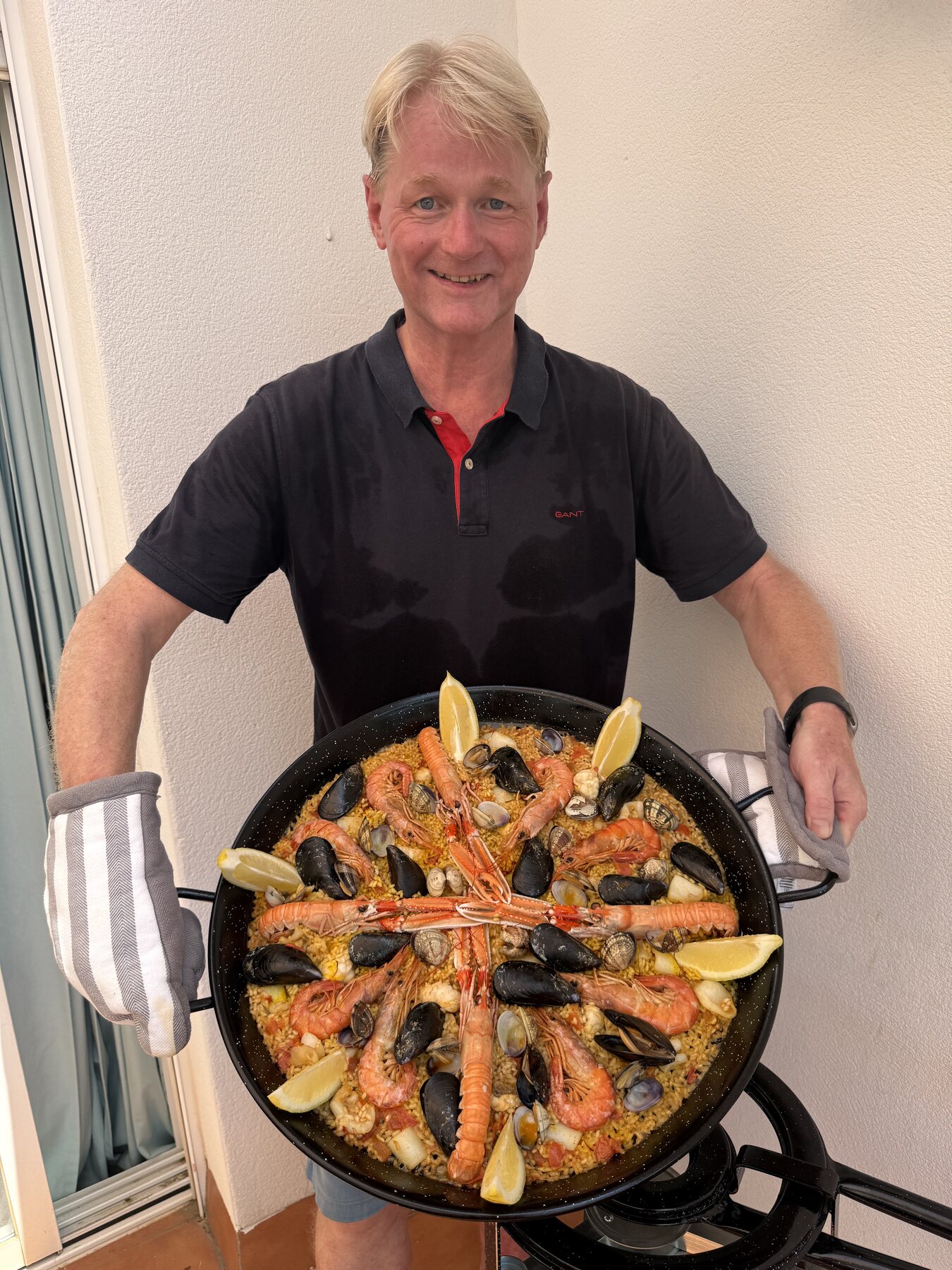
Because Tarragona is a real port city with a thriving fishing industry, I'm going for a paella de marisco: a paella with fish and seafood. For purists, only a Valencian paella should really be called "paella", but I think a seafood paella is perfectly acceptable too (as long as you don't put chorizo in it 😊). Paella is eaten at lunchtime, ideally on a Sunday with family and friends.
But let's start at the beginning: the shopping. For that, we head into Tarragona.
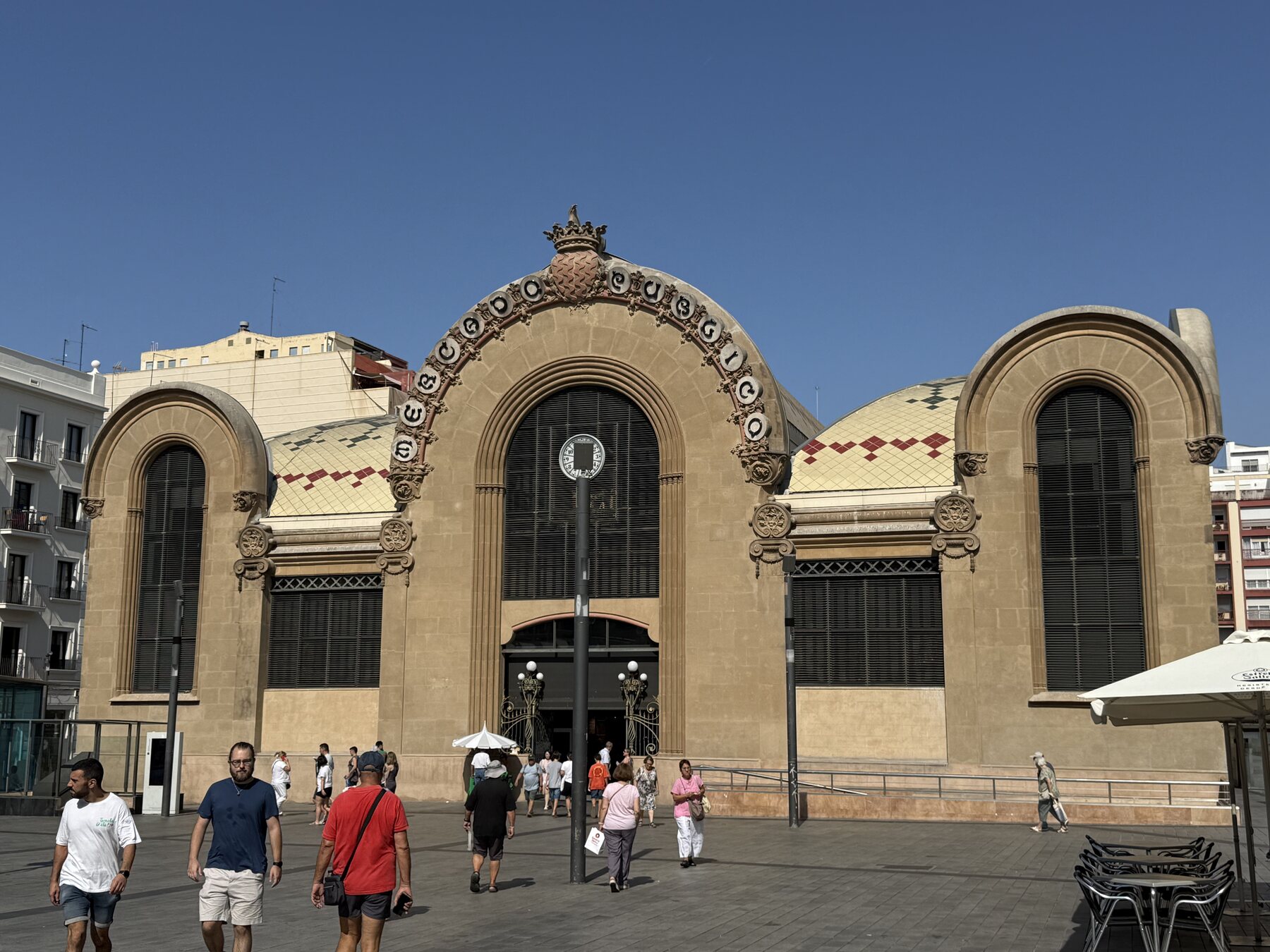
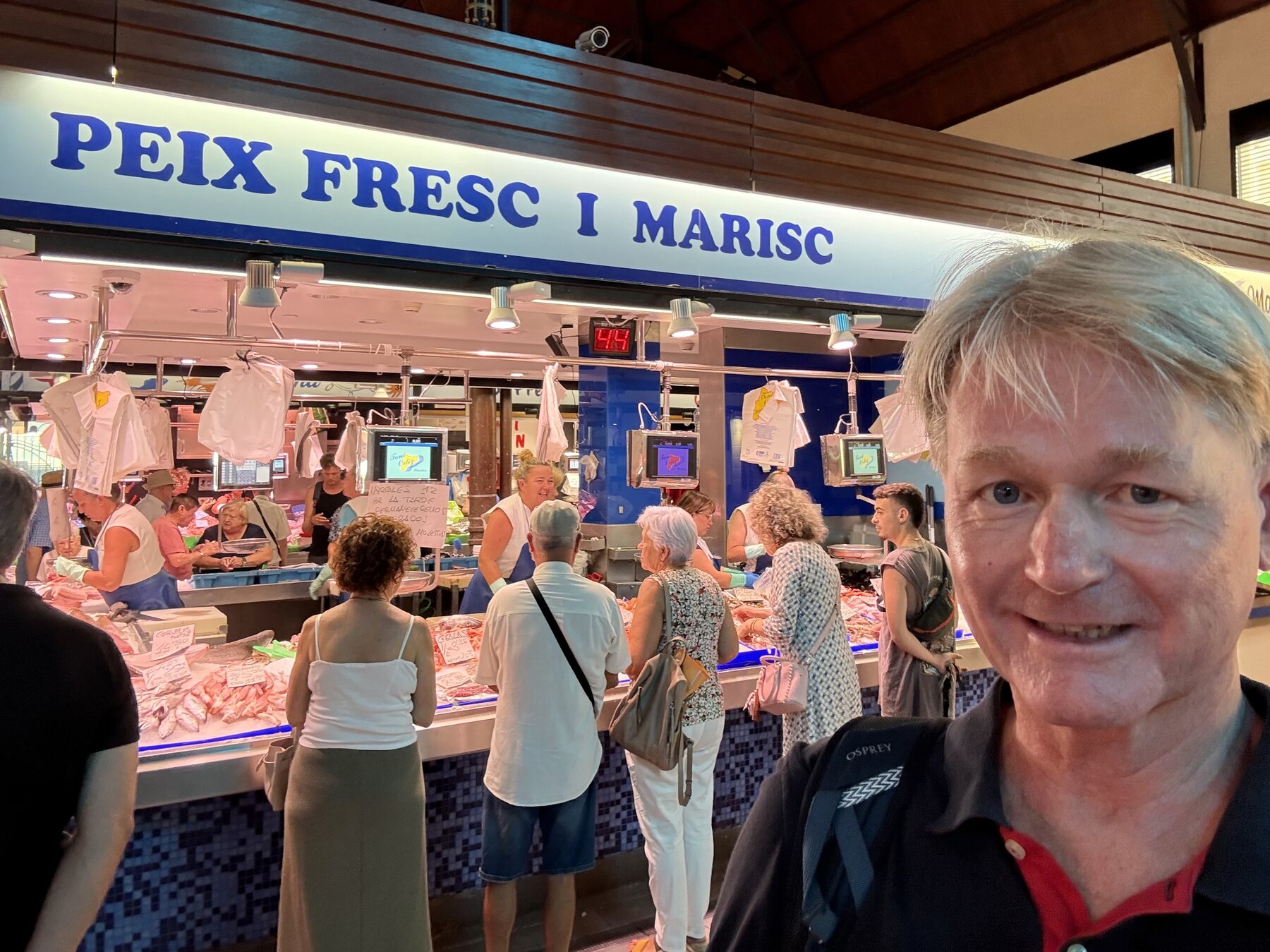
Shopping at the Mercat Central
A good dish stands or falls with beautiful, fresh ingredients. And that goes double for fish and seafood. That's why I go to the Mercat Central on Plaça Corsini, a few minutes' walk from the Rambla Nova.
Here you'll find several fish stalls side by side, with a fantastic choice of fresh fish and seafood.
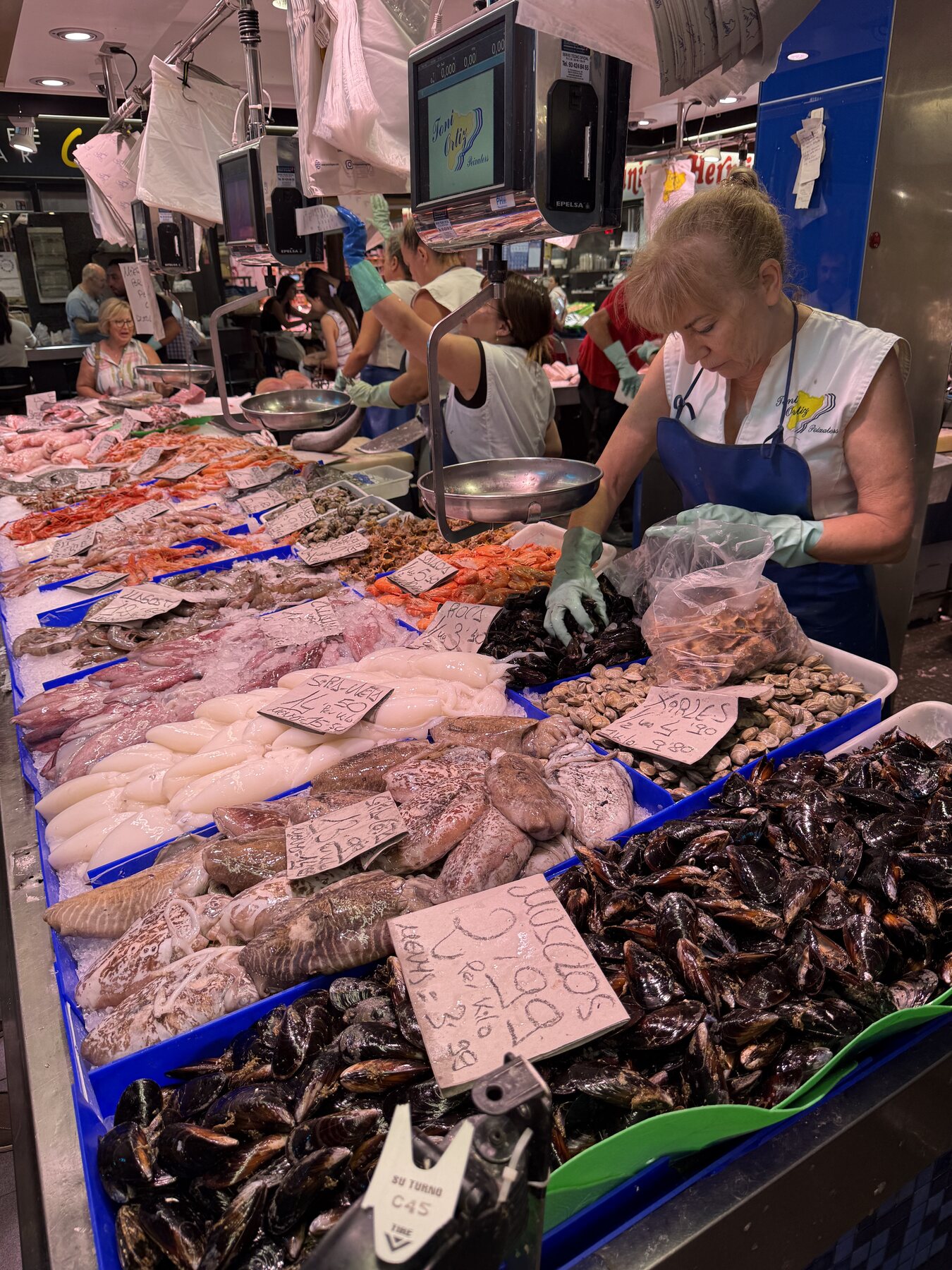
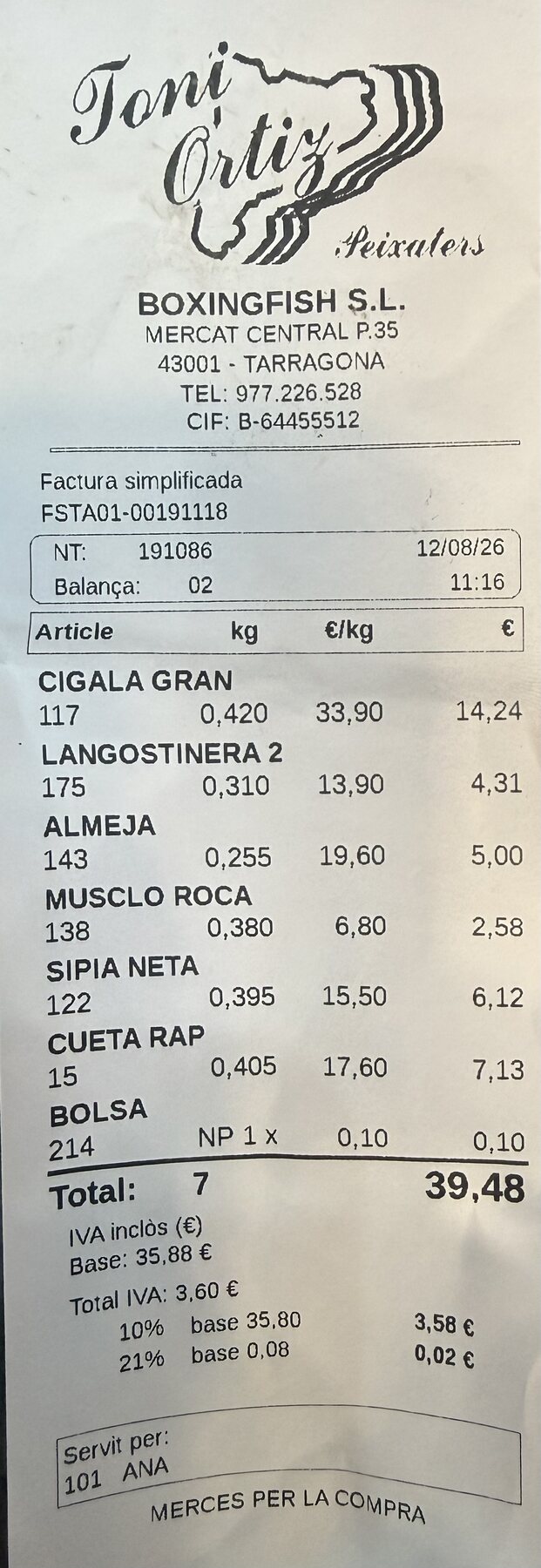
Fish, seafood and the receipt
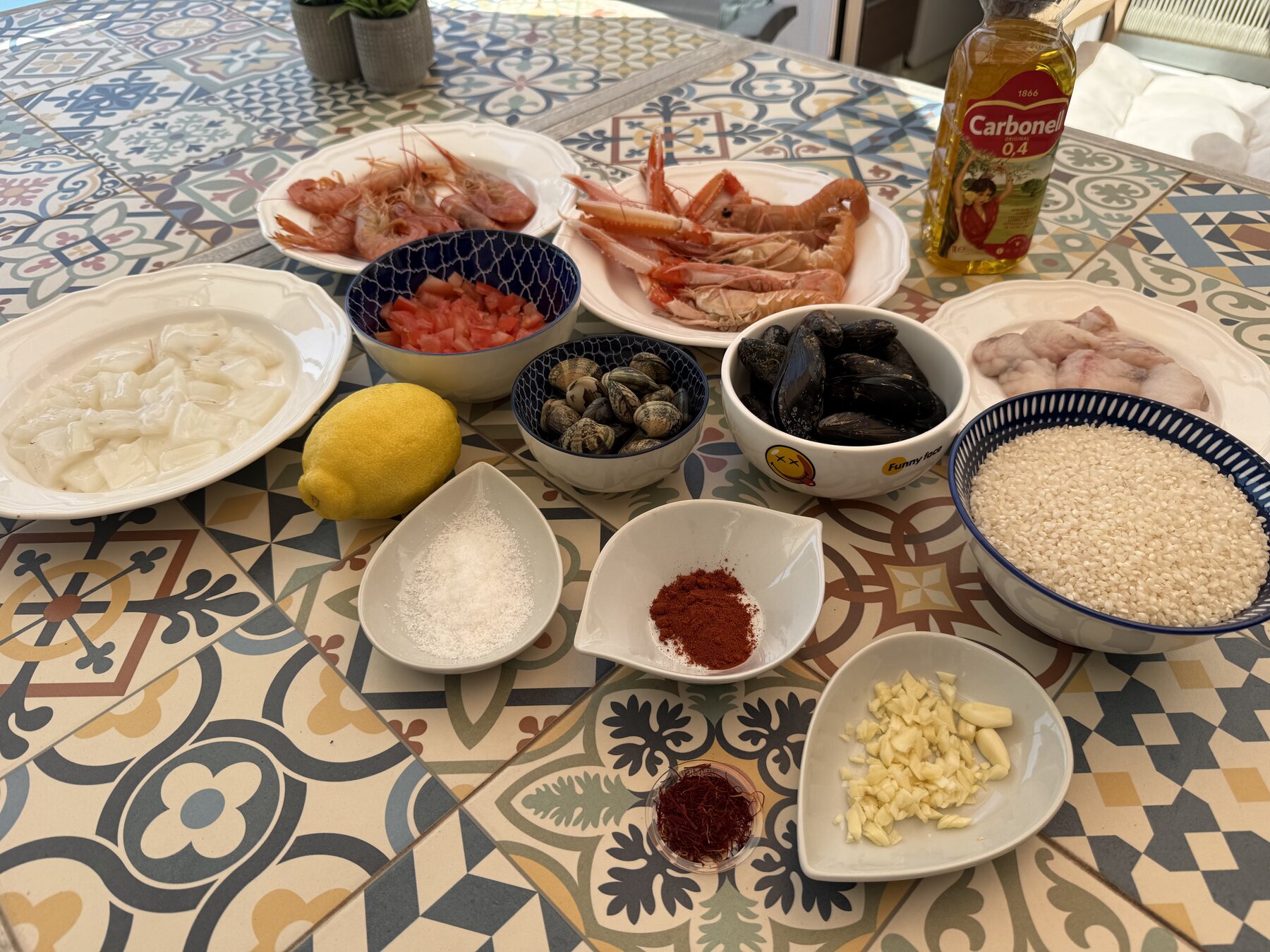
For this paella I chose monkfish (rape), cuttlefish (sepia), langoustines / Norway lobsters (cigalas), prawns, mussels (mejillones, harvested from the rocks, not farmed) and clams (almejas). I also asked for a bag of fish trimmings — heads and bones — to make a fresh stock myself.
Not only did I get them at no extra cost, the fishmonger also cleaned the trimmings for me straight away (the gills and blood have to come out, otherwise the stock turns bitter). The rice — Valencian bomba! —, saffron, tomatoes, garlic, olive oil, paprika, salt and lemon I had already bought at Mercadona.
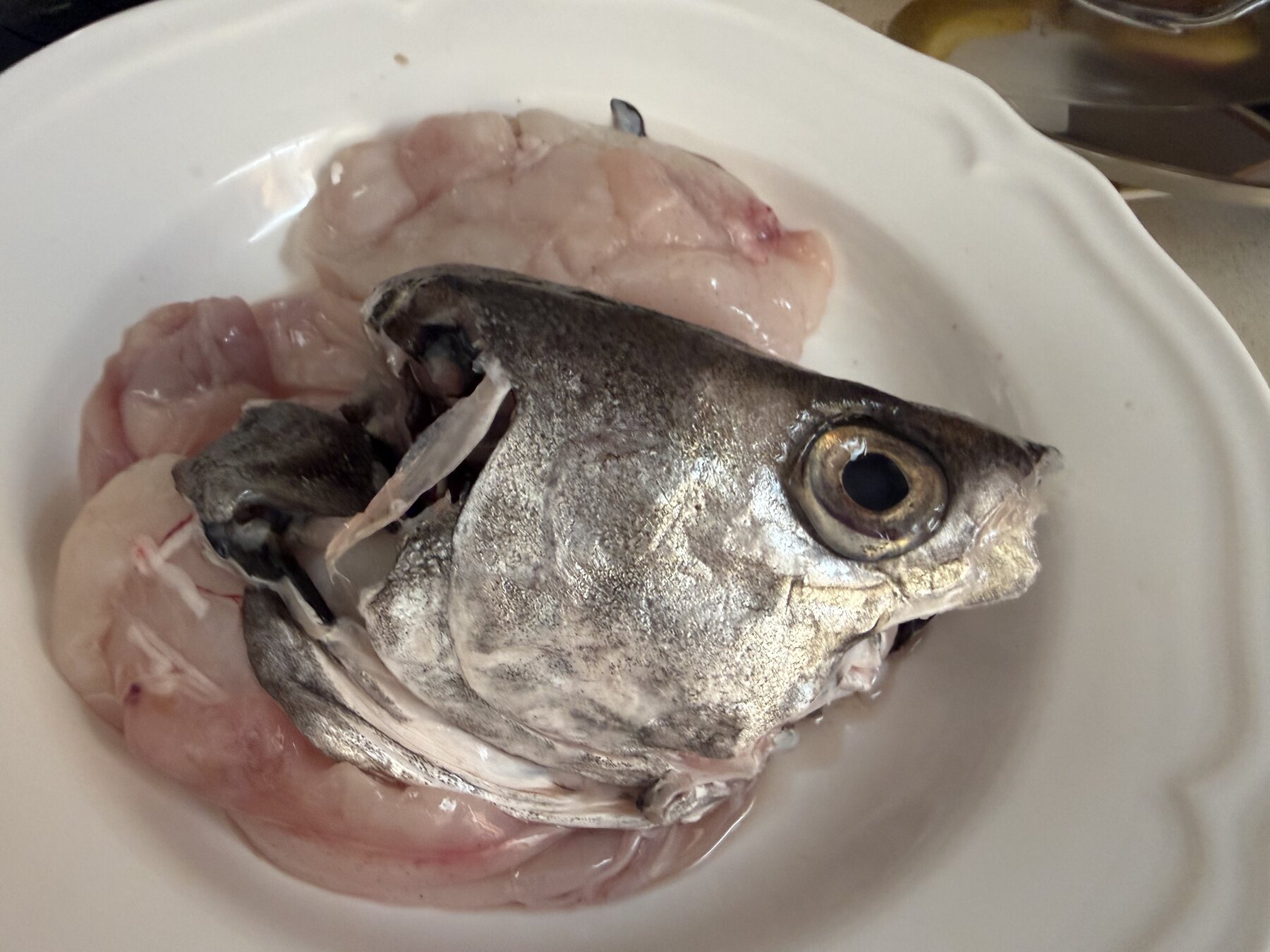
First the stock
The secret of a paella is that the rice soaks up the flavour of the stock and gets its rich taste from it. So no stock cube, but the real thing. I bring about 2 to 3 litres of water to the boil and add the fish trimmings.
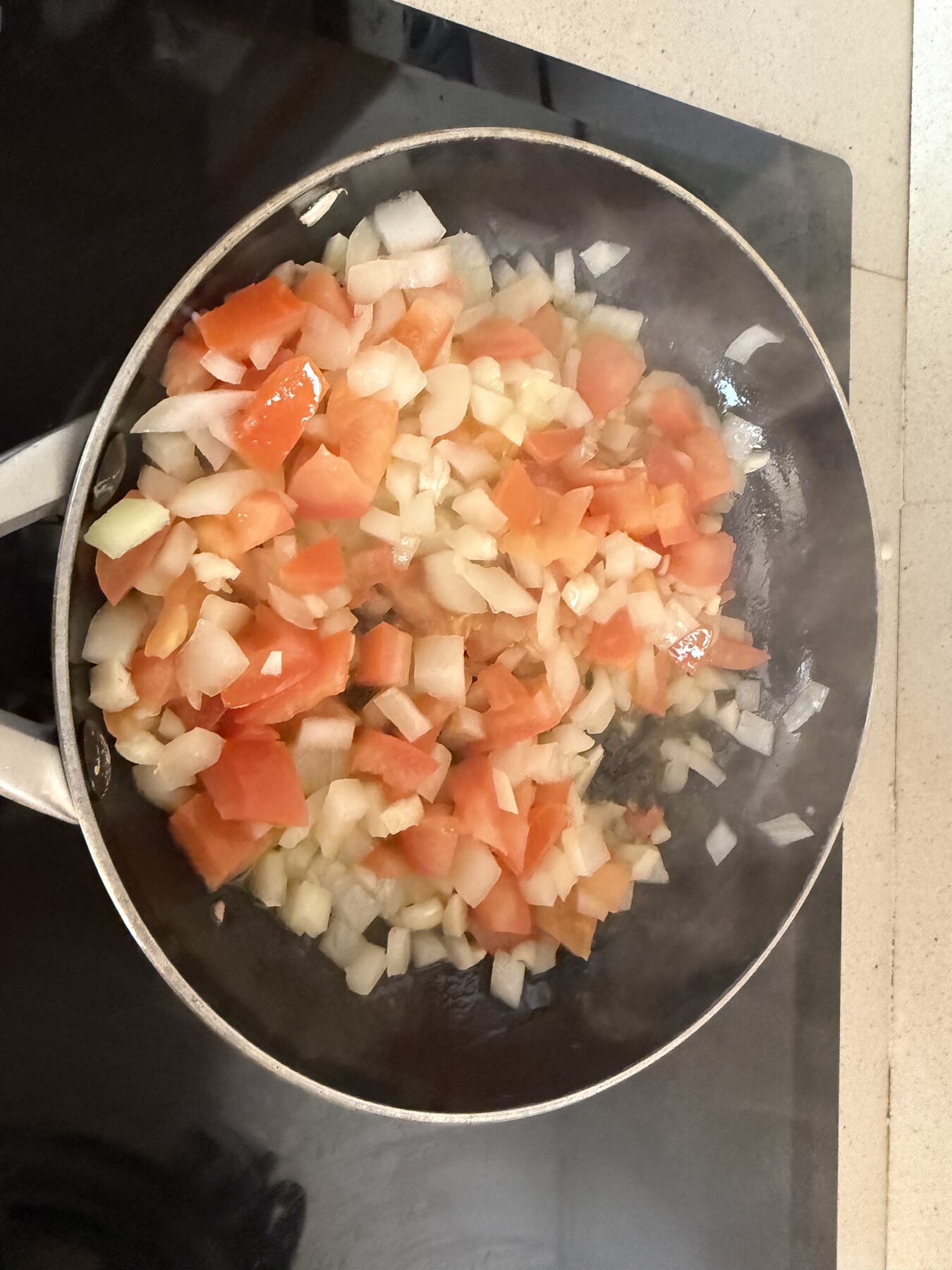
Meanwhile, I gently fry some tomato, onion and garlic with paprika, and add that to the stock together with some parsley. Let it all simmer for about 20 to 25 minutes — not much longer, or it will turn bitter.
Getting everything ready and the oil in
Next, I like to get everything ready, chopped and all, so that once the paella pan is on the fire I only have to focus on the timing — and have time to chat with guests, friends and family. Making a paella is a bit like a barbecue: the pan is the central spot where everyone happily gathers around.
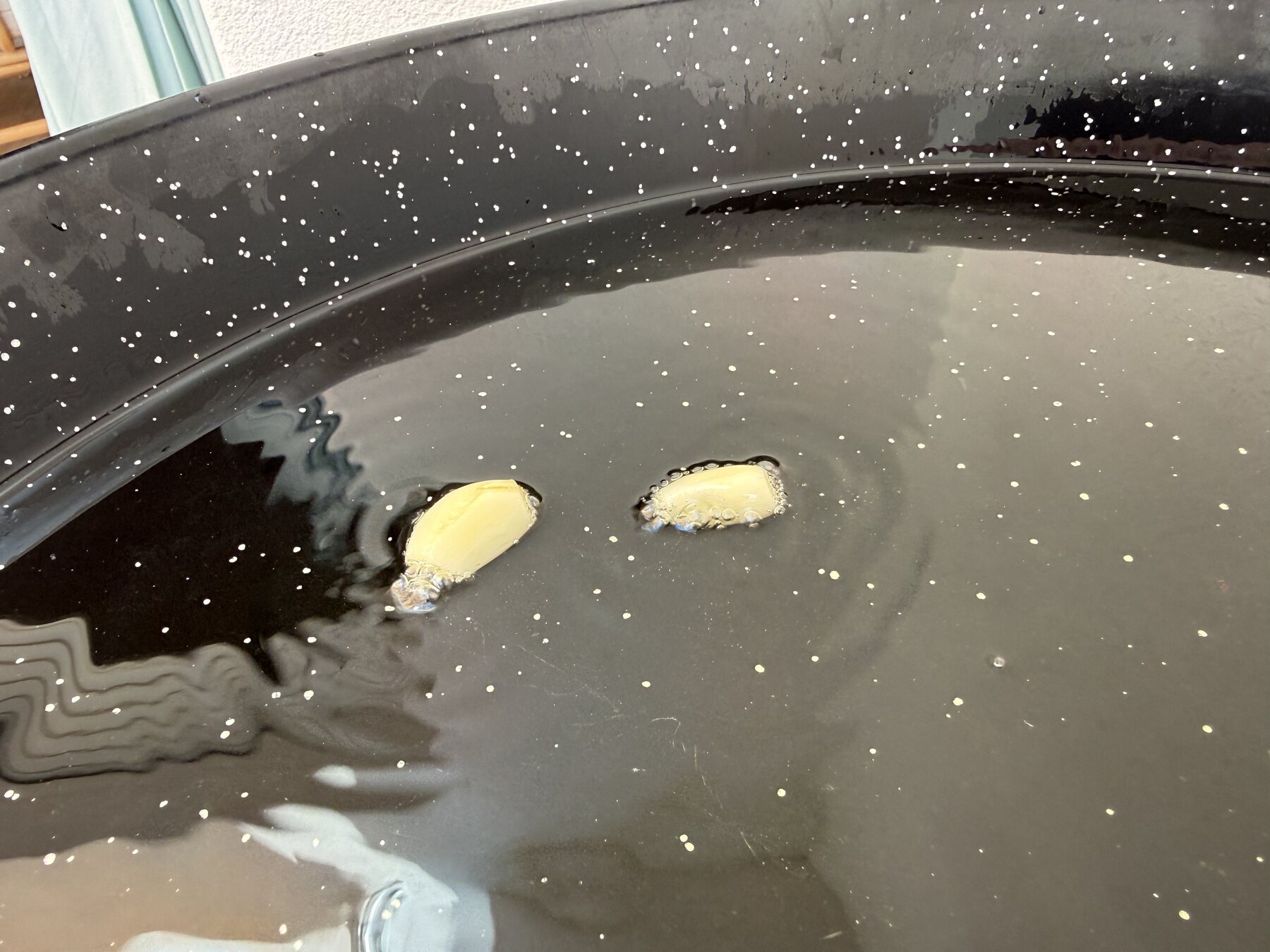
I set the paella pan level on the special paella gas burners (pour the olive oil into the centre and check that it doesn't run to one side) and light the burners. Two cloves of garlic in the oil tell me when it's hot enough — then I take them out and simply eat them, as the sharpness is gone by then.
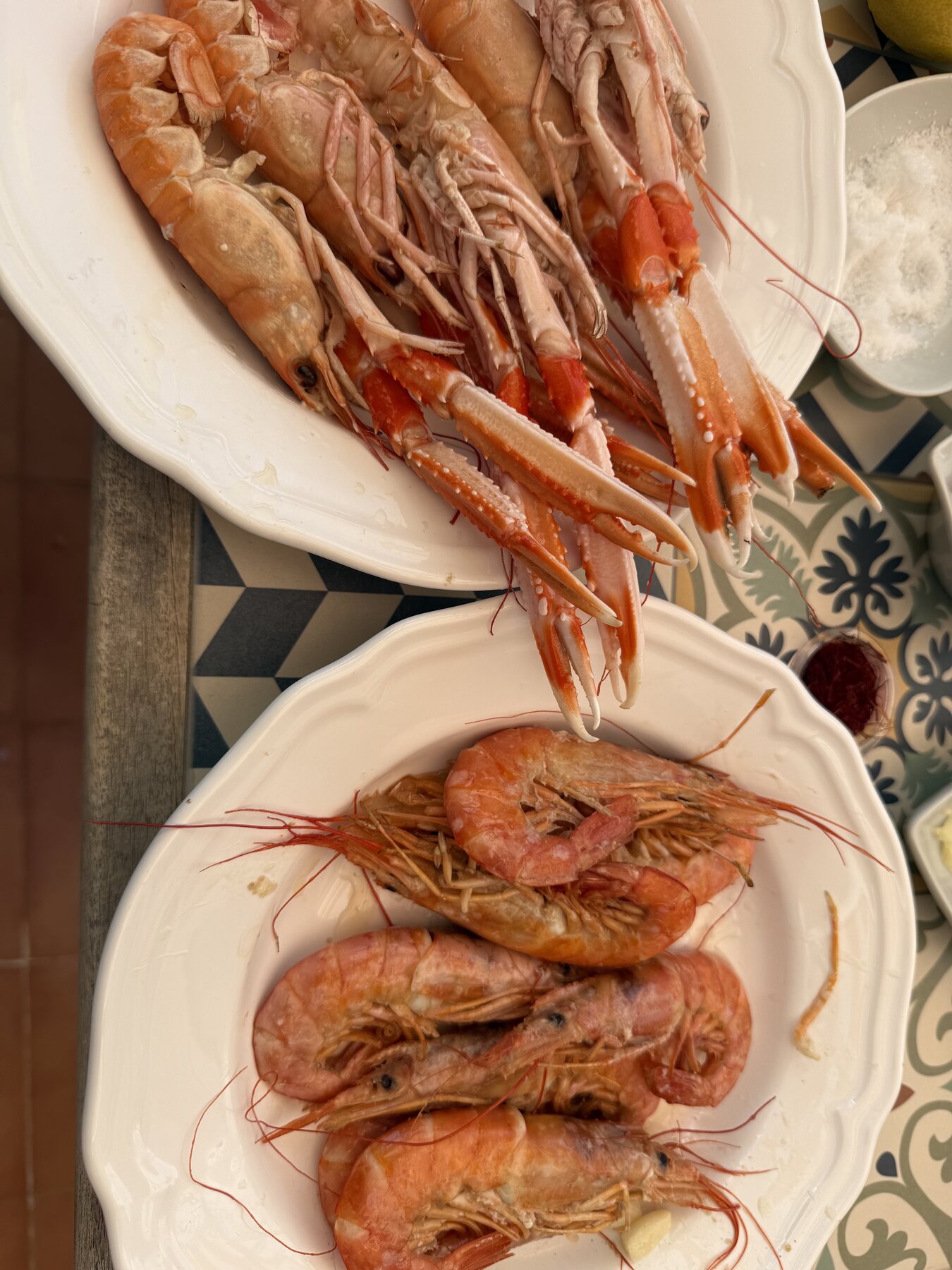
Briefly searing the langoustines and prawns
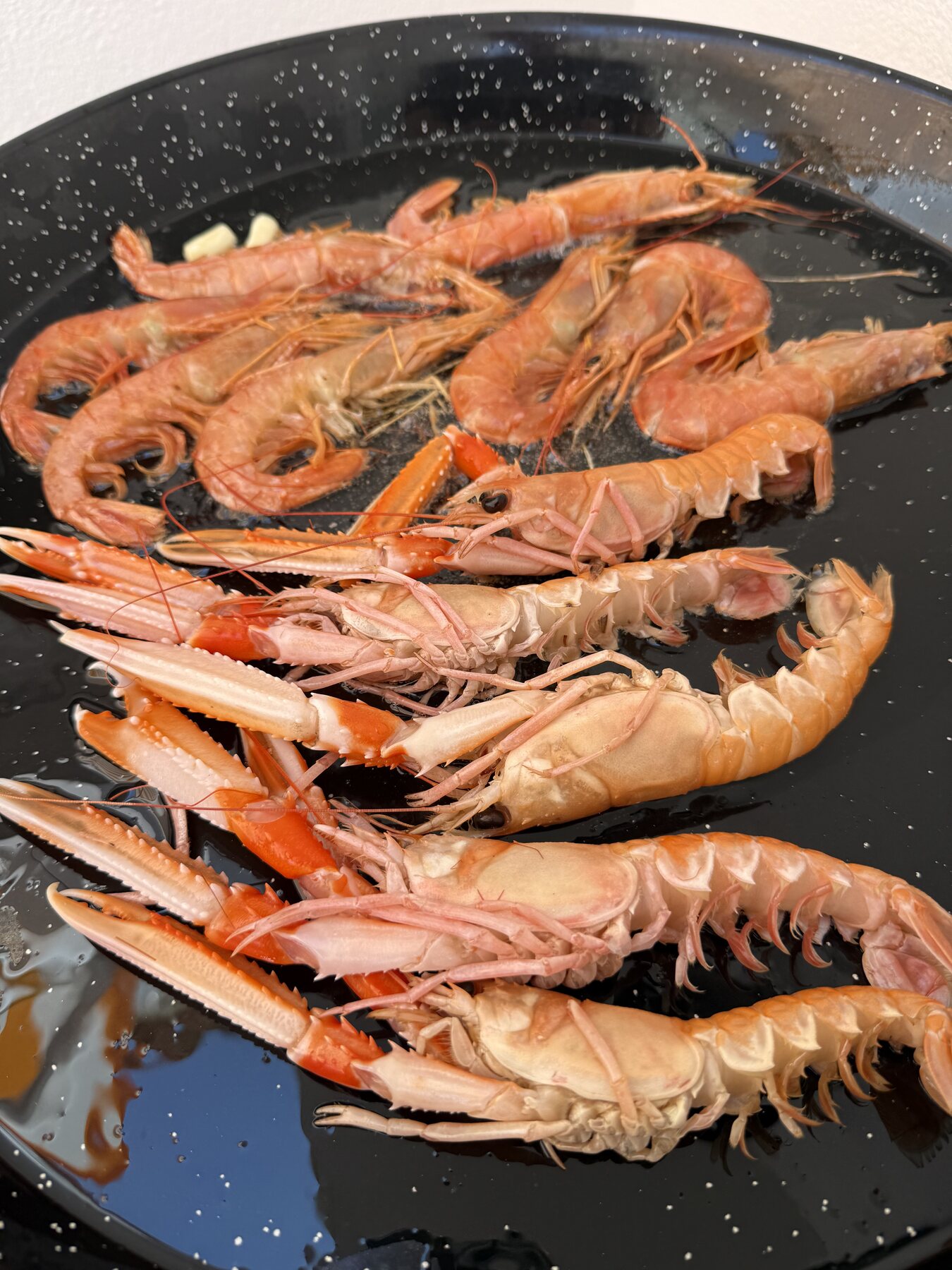
First, the langoustines and prawns go into the hot oil. Not for too long, because langoustine meat dries out quickly.
I take them out again and set them aside — they'll go back in later, right at the end.
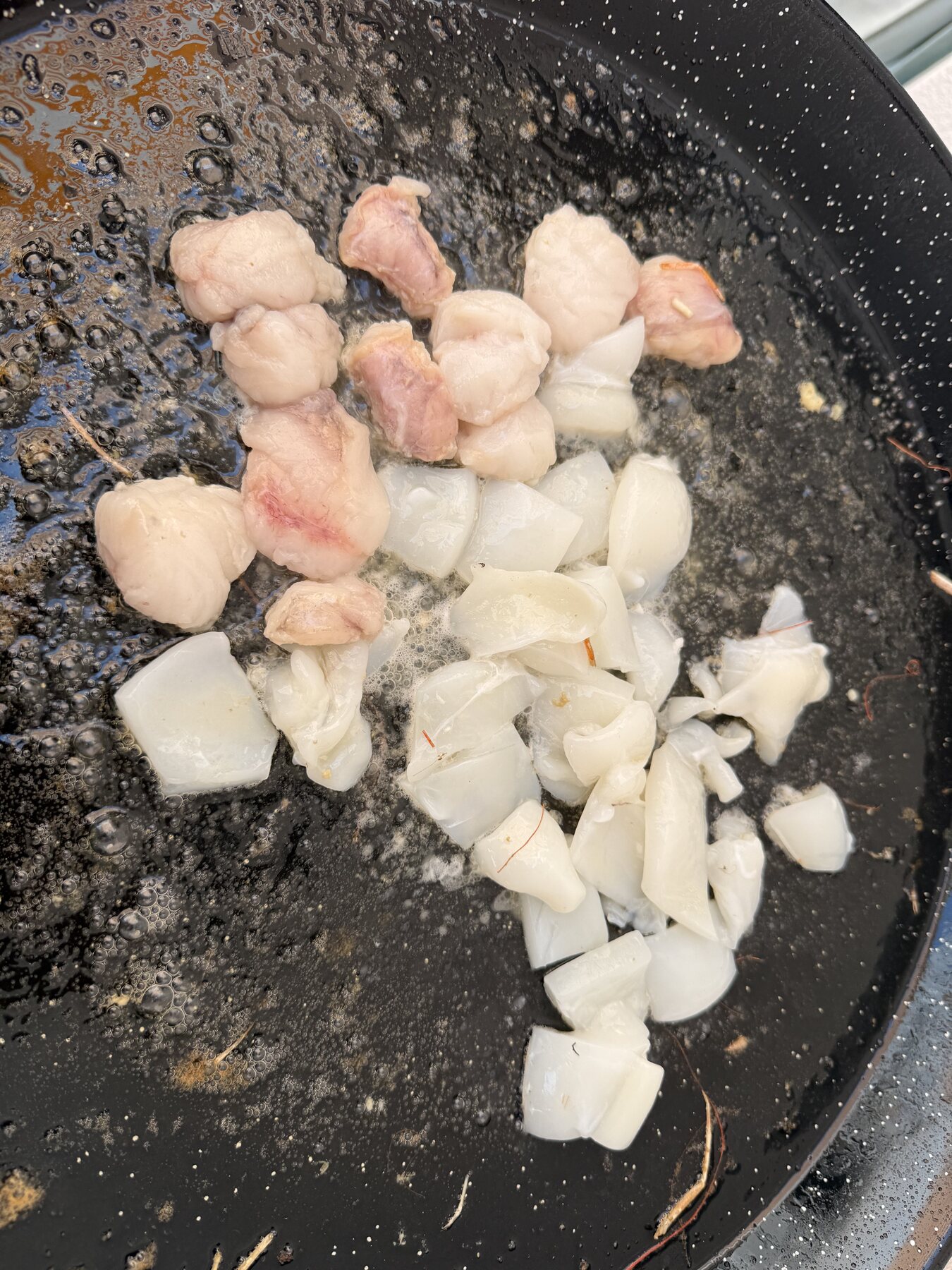
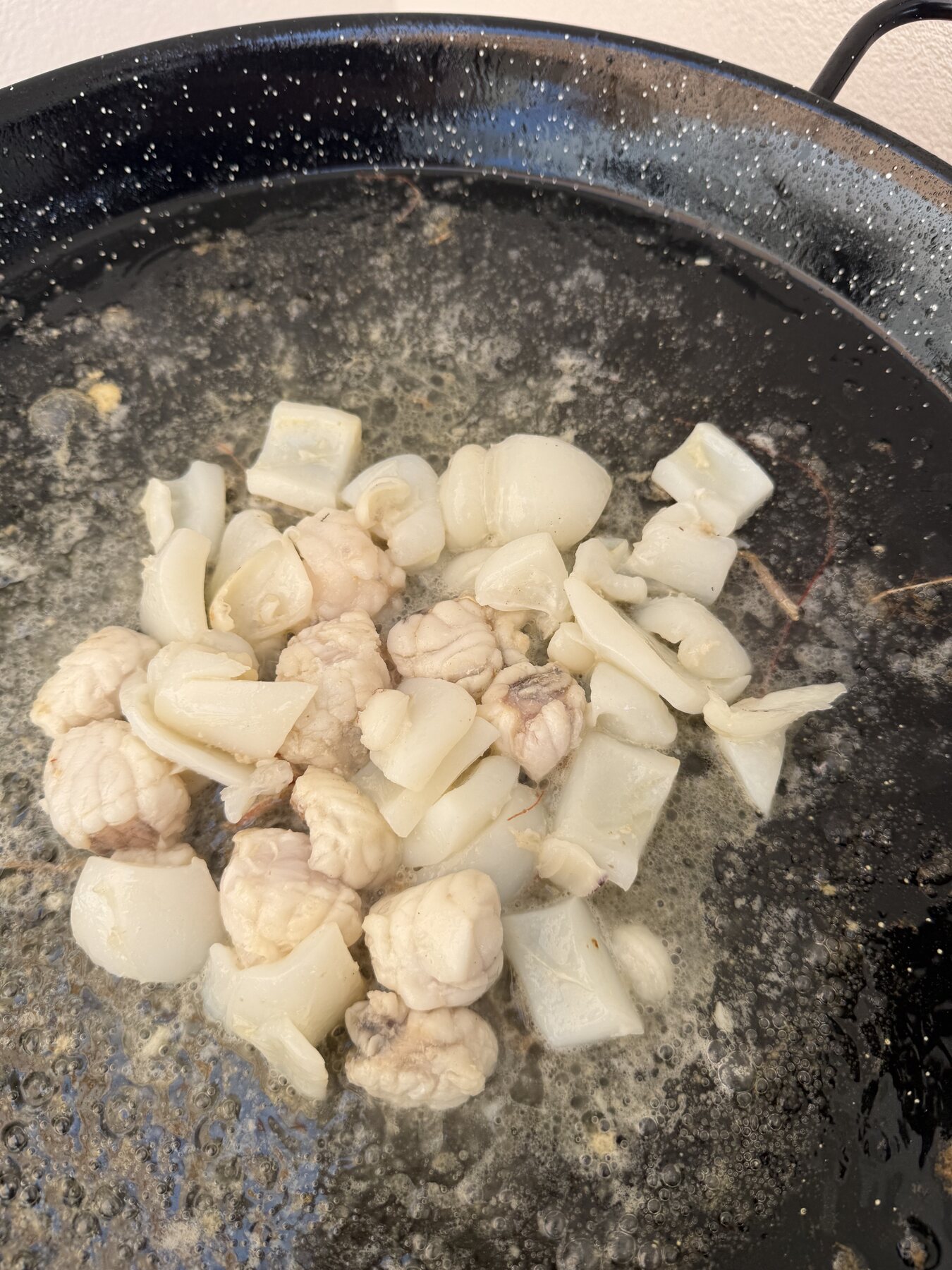
Cuttlefish and monkfish
Then the cuttlefish and monkfish go into the pan, making sure they get some nice colour.
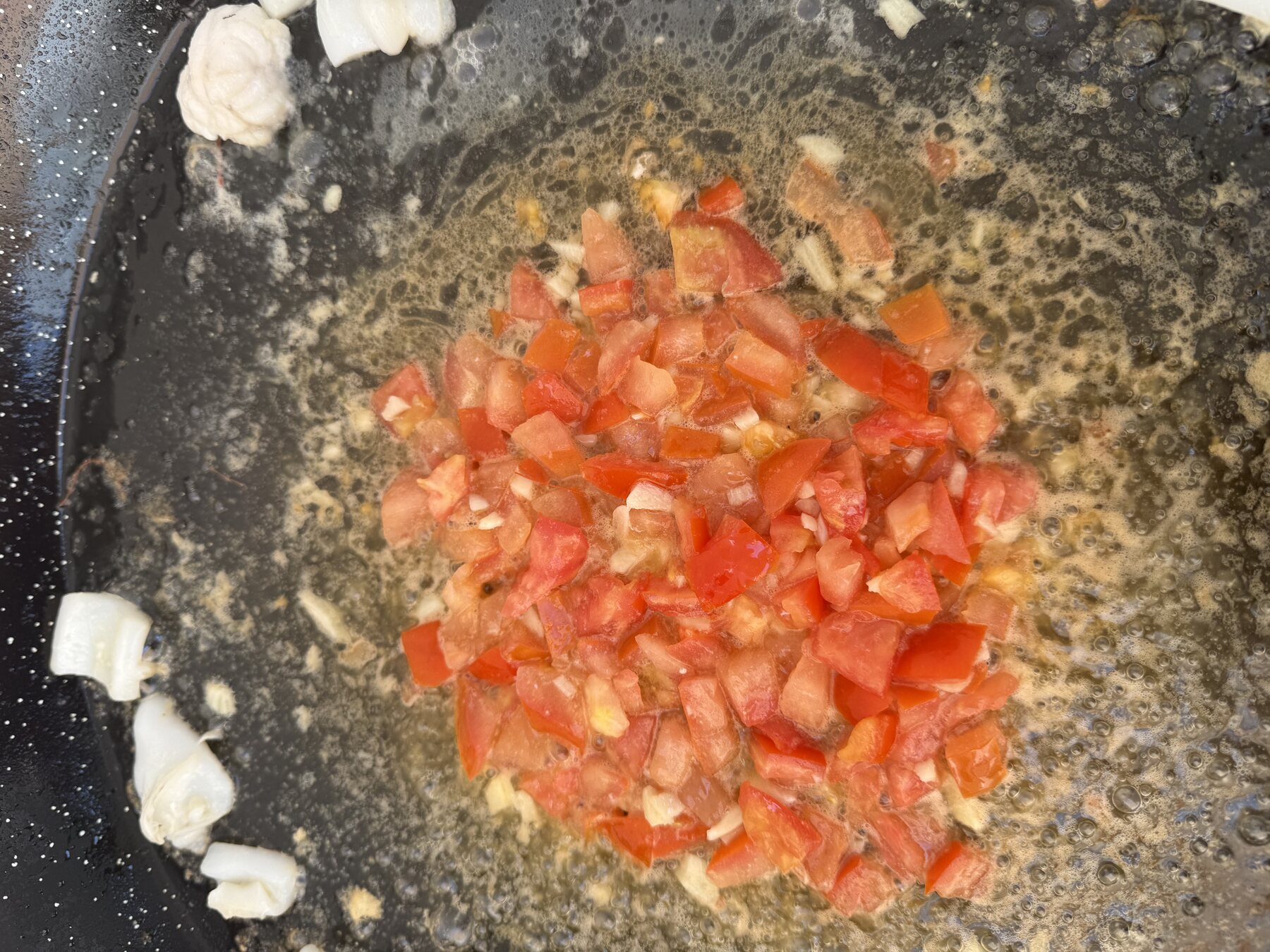
Tomato, paprika and the rice
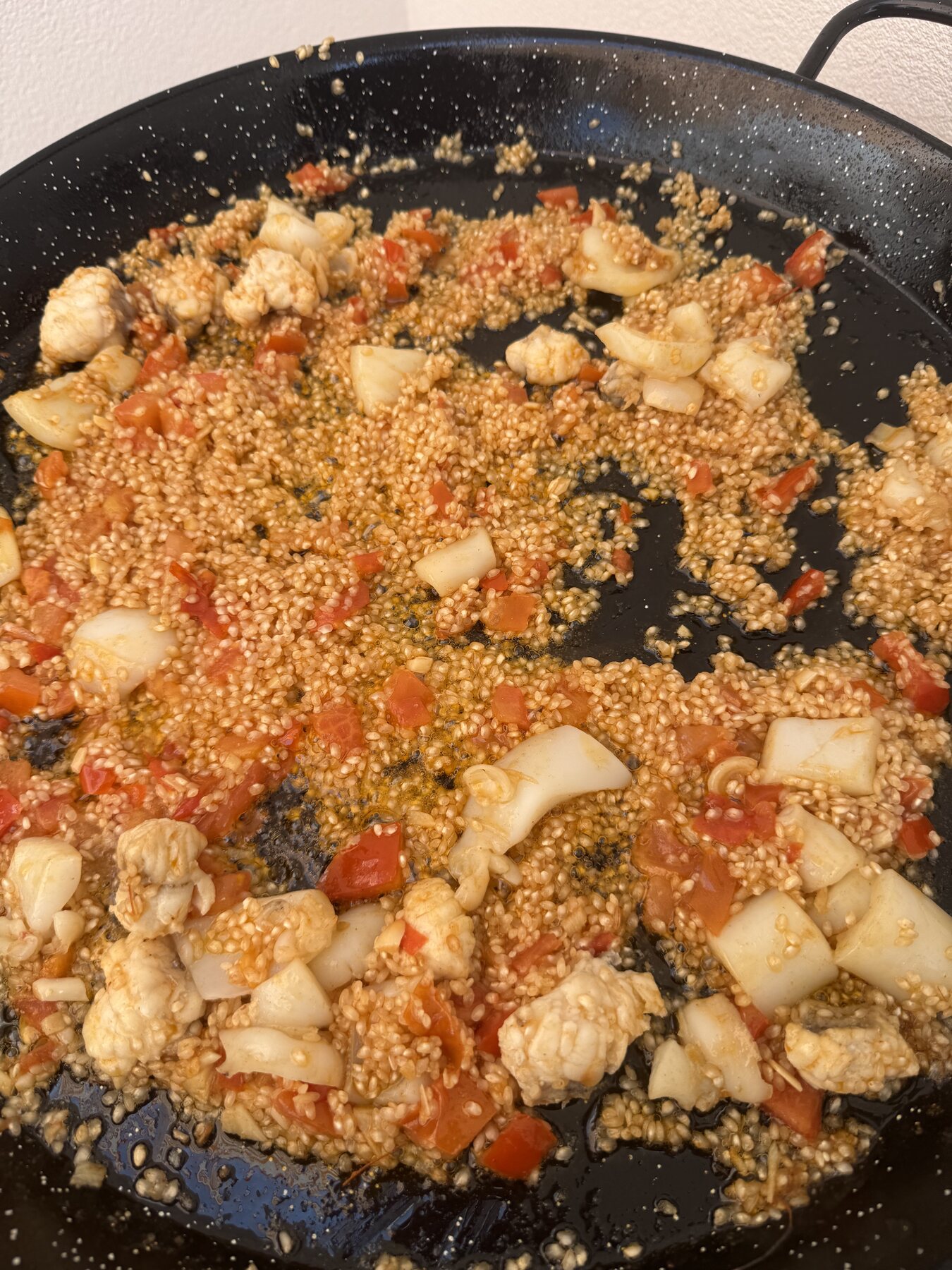
I push the fish to the edge of the pan, add the tomato and garlic, and let the juices mix well with the olive oil. Then the same with the paprika: it needs to caramelise with all the oil and juices that are now in the pan.
Then the rice goes in. I mix everything well and fry the rice for a few minutes, so it soaks up all the flavours that are now in the pan.
Adding the stock and finishing off
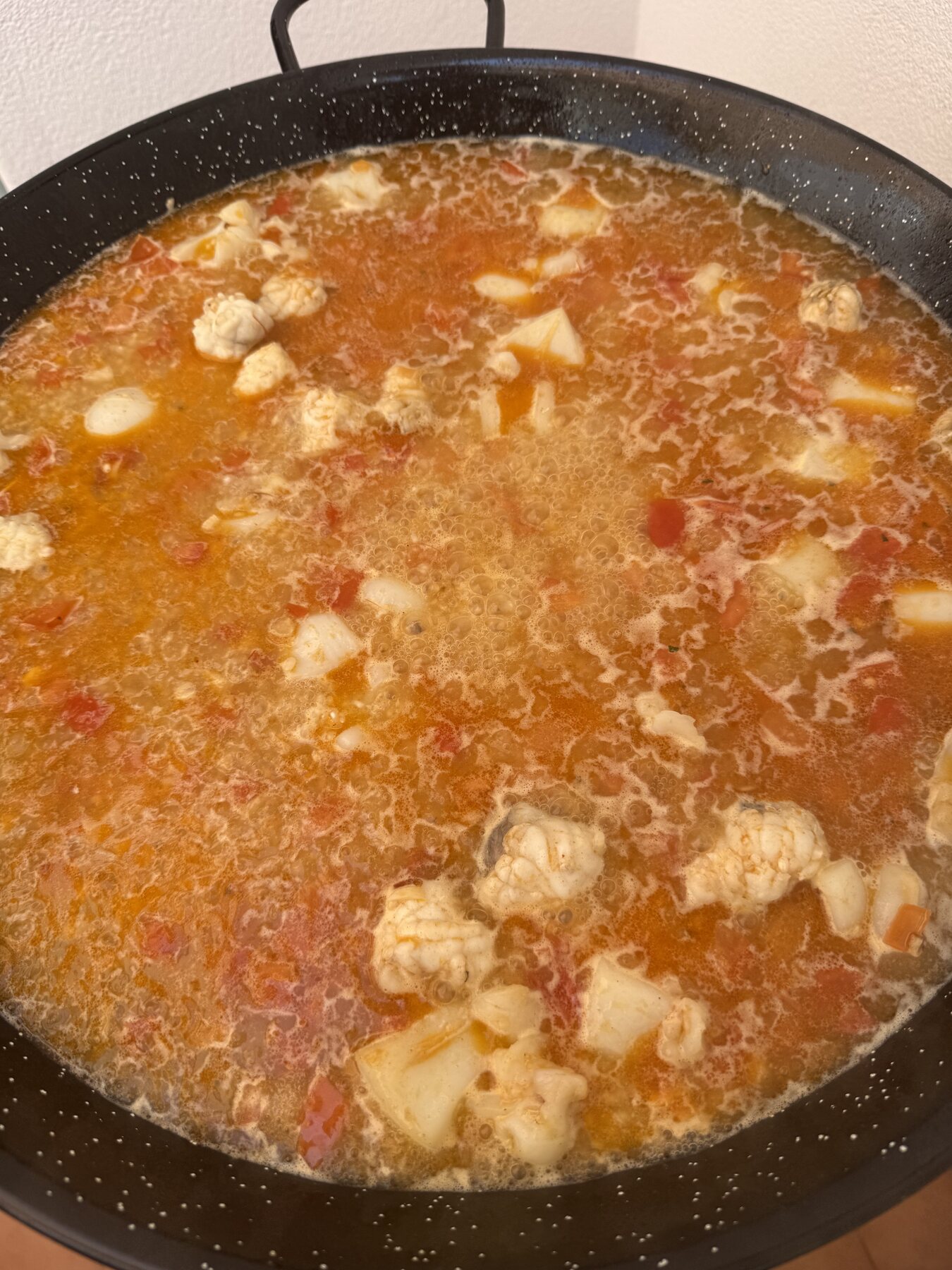
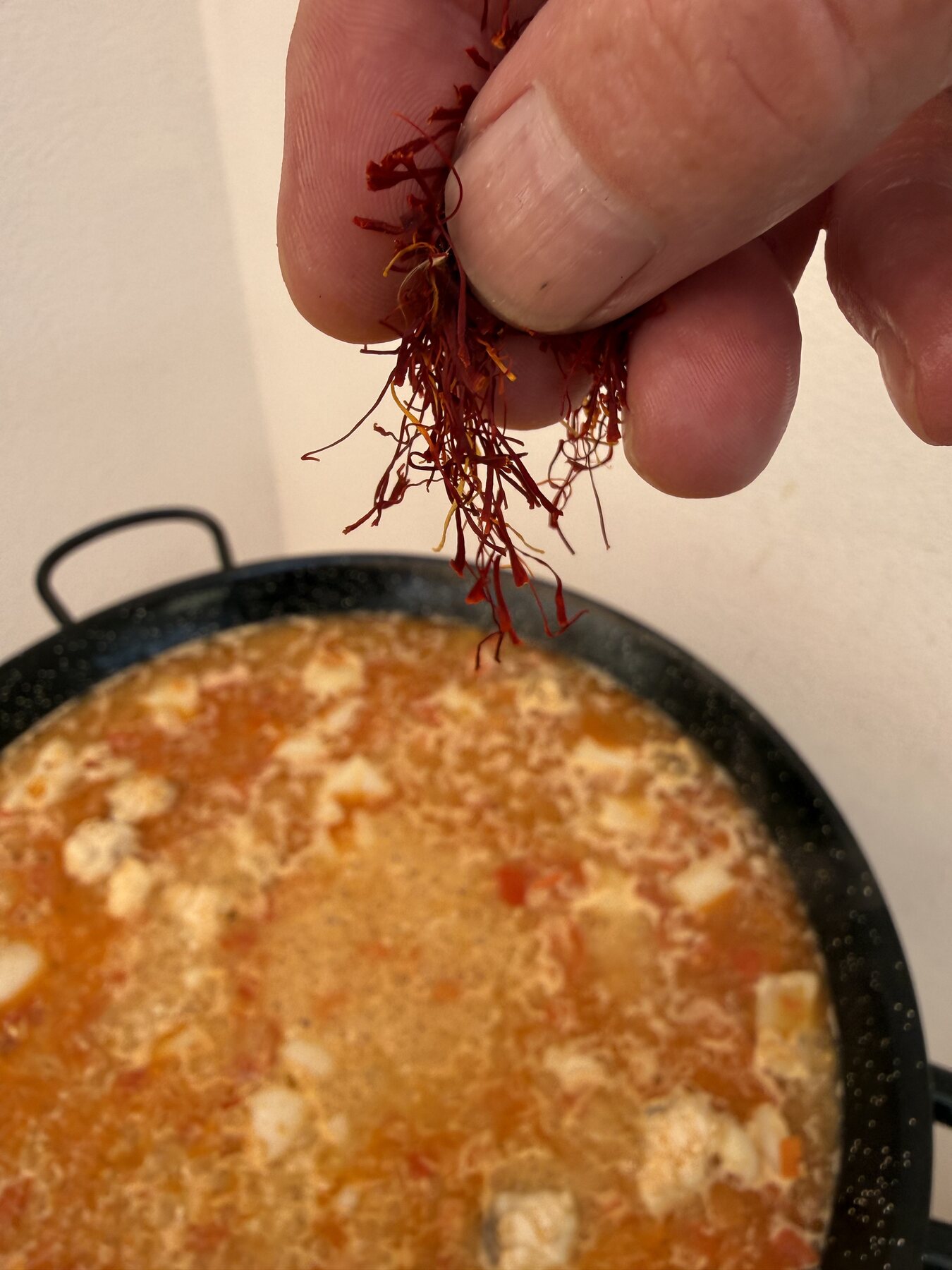
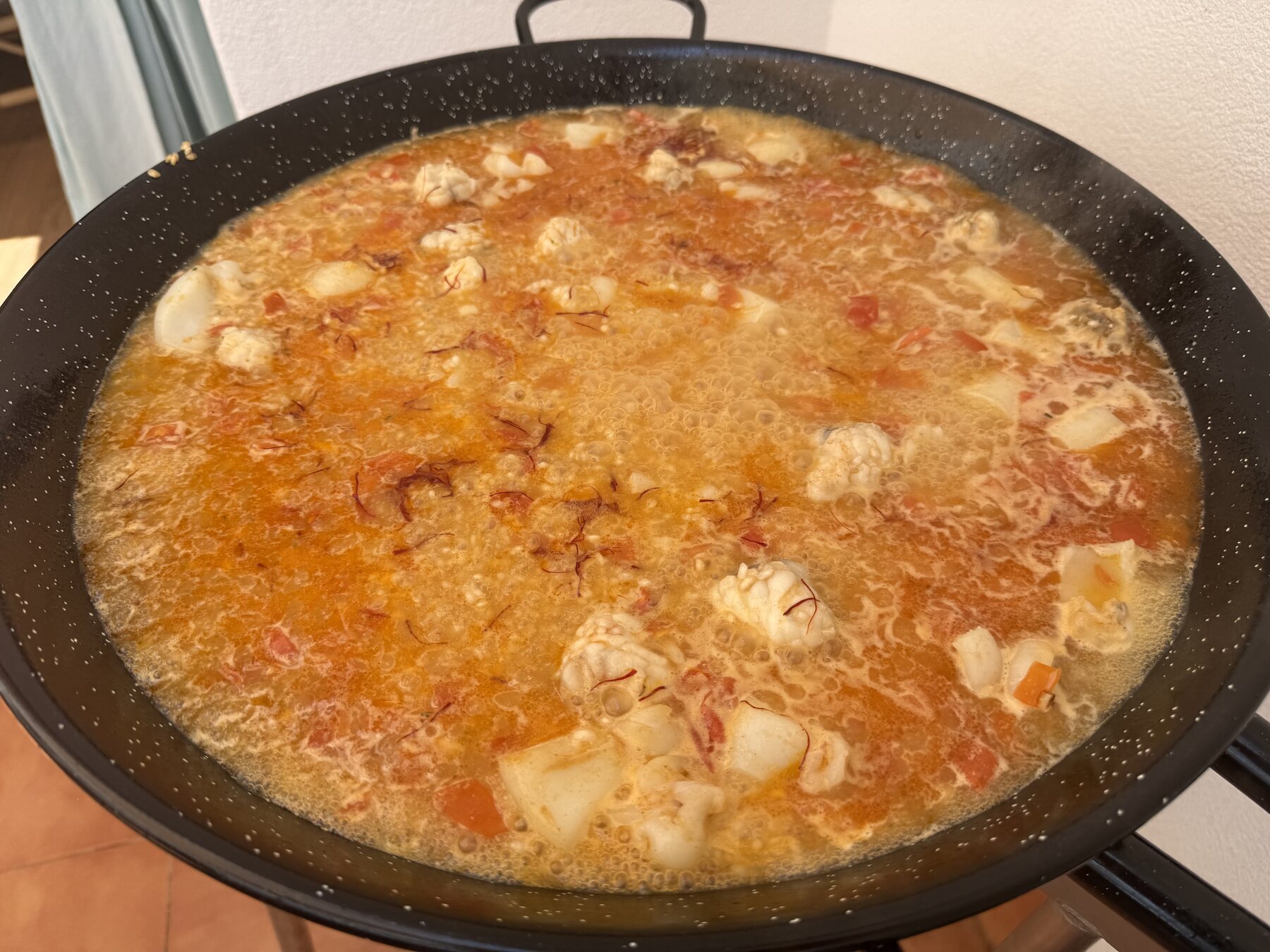
Then the stock goes in — hot, but not boiling. The saffron and salt go in now as well. I first leave it on high heat for 5 minutes, then another 10 minutes on lower heat.
Five minutes before the end, I add the langoustines, prawns, mussels and clams: while the rice cooks dry, they cook through. Mussels or clams that don't open go straight into the bin.
Important: after turning off the heat, let the paella rest for another 5 to 10 minutes, so the rice can settle.
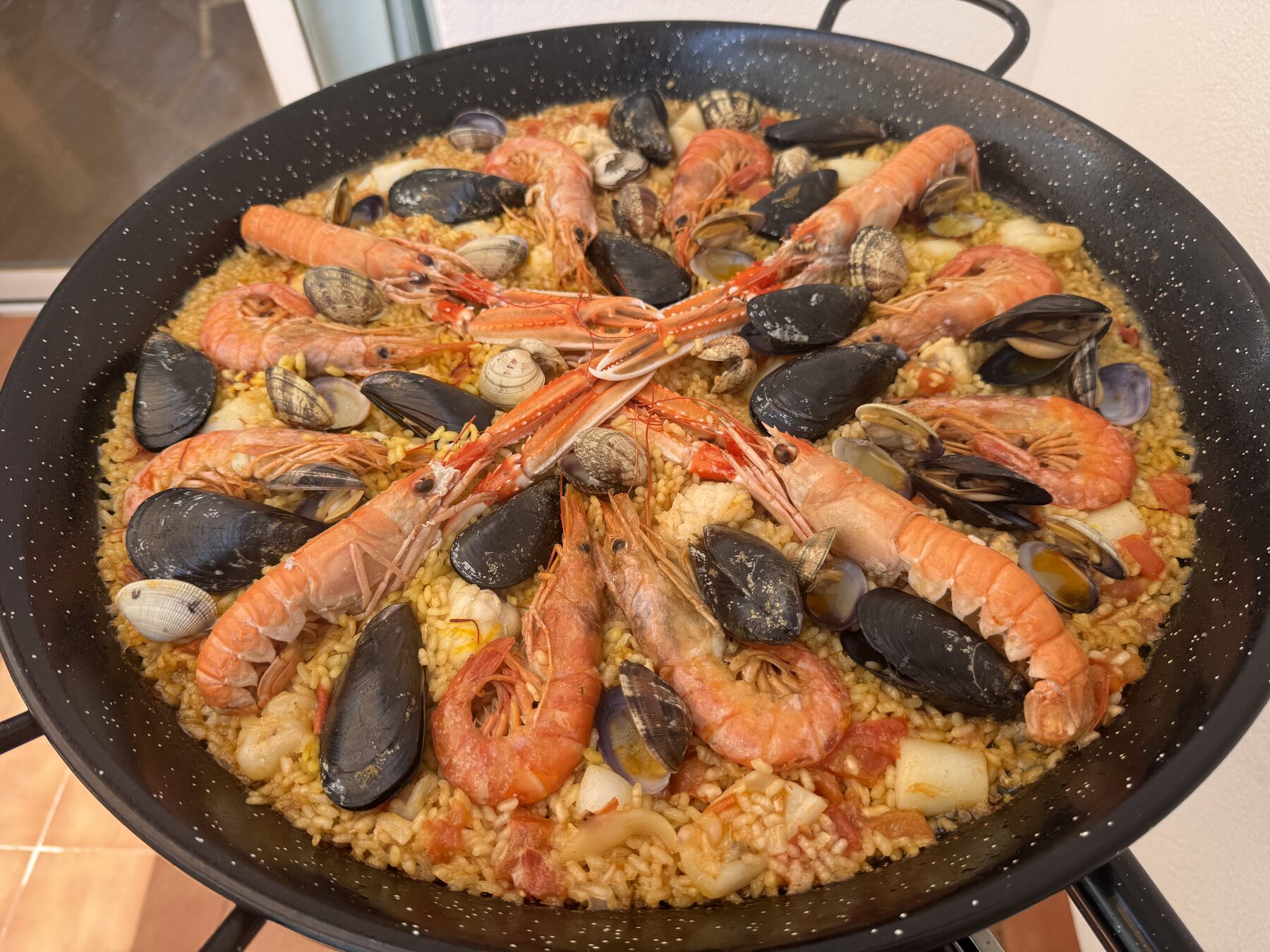
Enjoy
The paella is ready. I place it in the middle of the table. Tradition says everyone should eat straight from the pan with a wooden spoon, but of course you can also just serve it on your own plate.
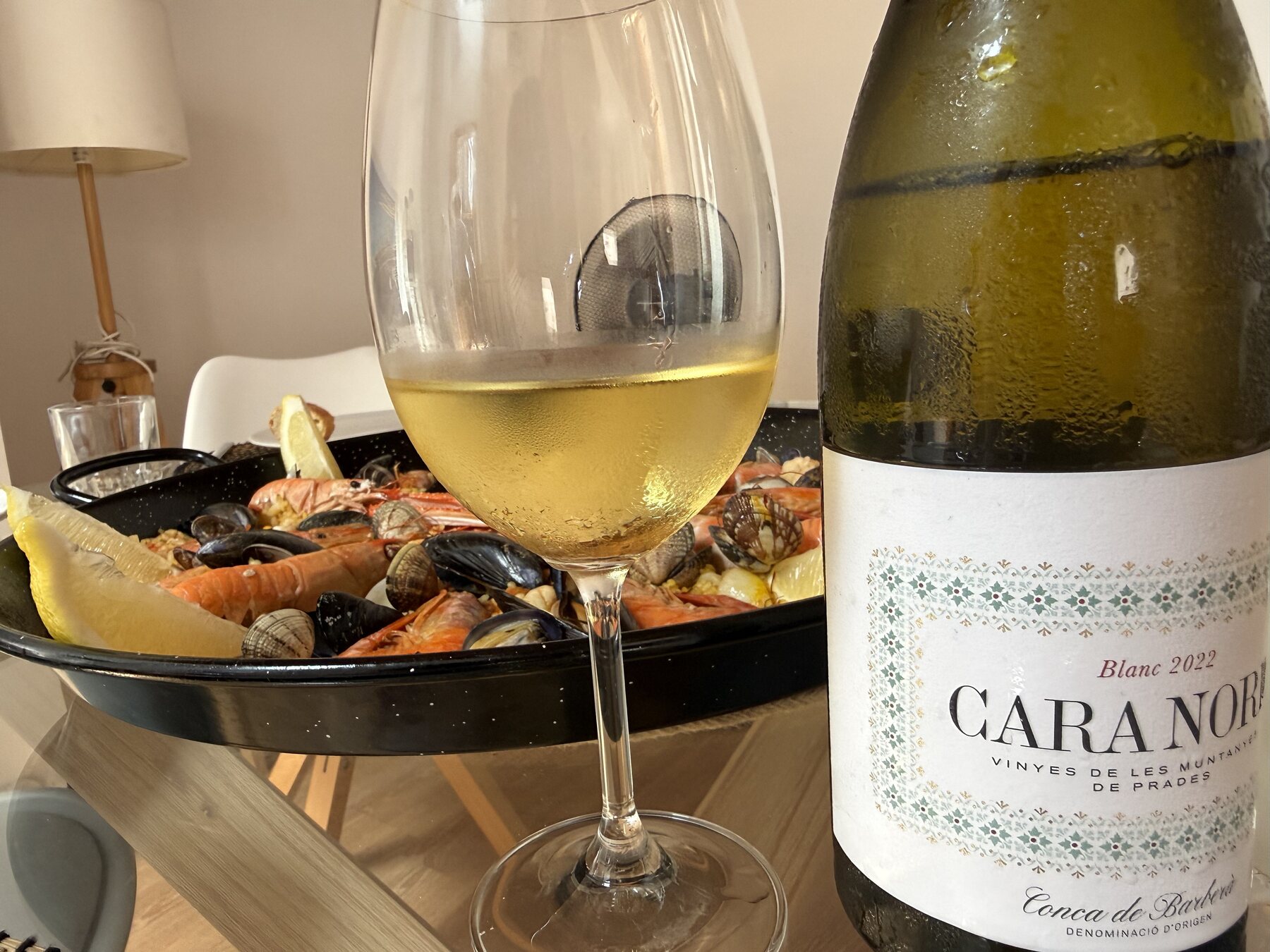
Then there's one more thing that mustn't be missing: the wine. With this paella we opened a lovely organic white wine, a 2022 Cara Nord Blanc from the Spanish wine region D.O. Conca de Barberà in the Prades mountains — close by, in the province of Tarragona.
And then, while eating, do what Spaniards themselves perhaps love most of all: talk at length with friends and family.
Rather eat a good paella out in Tarragona?
Don't feel like cooking or don't have the time? Fortunately, Tarragona has a few fantastic restaurants where you can eat a good paella. And we're not talking about the tourist paella that comes half-finished from a factory and is just warmed up. No, a good paella is freshly made for you, so you'll have to wait a little for it. But that pays off many times over — use the time to try some tapas and taste a glass of wine.
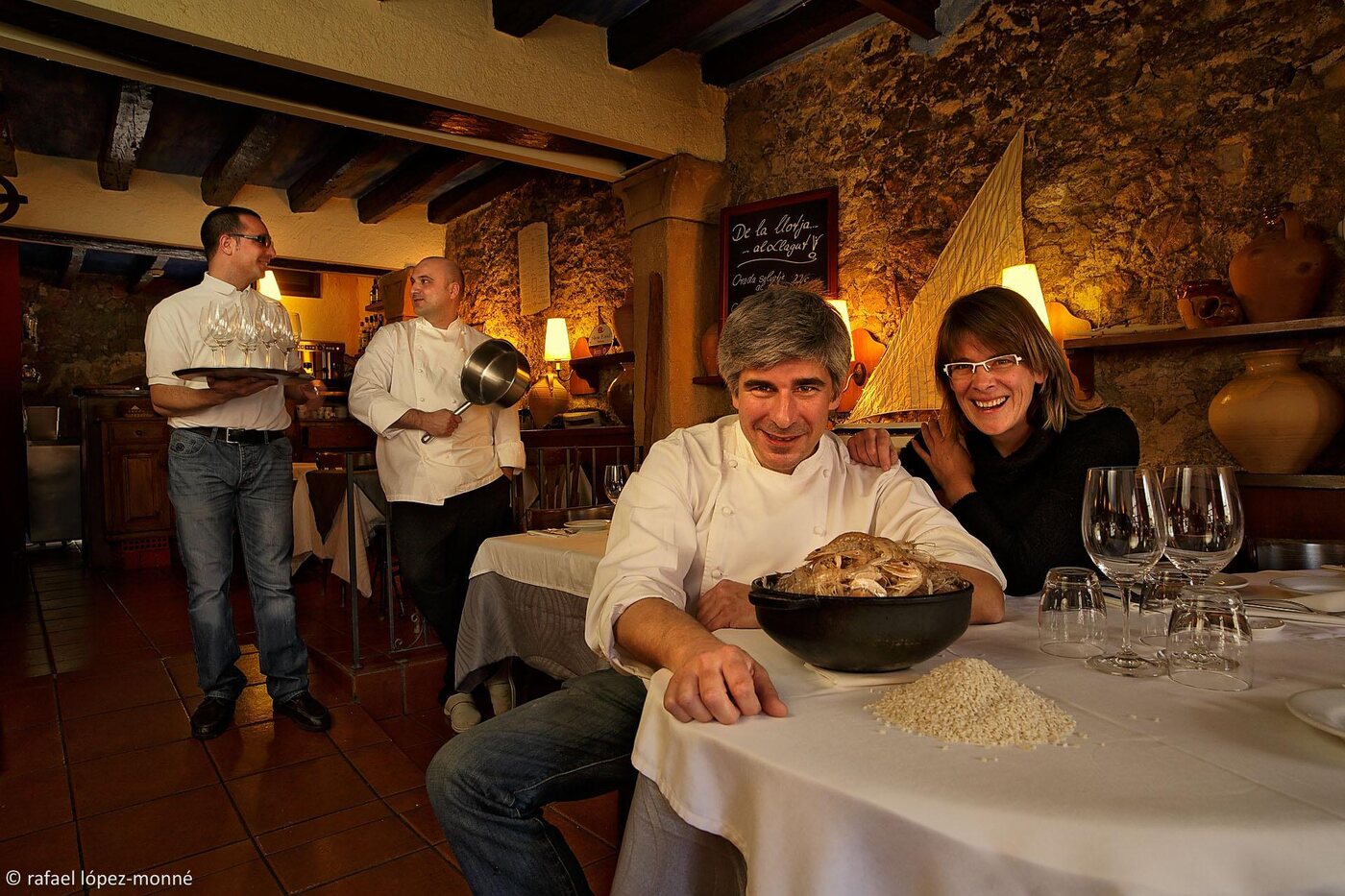
El Llagut
Carrer de Natzaret 10 (close to Plaça del Rei). A small, atmospheric tavern in the historic Part Alta, known above all for its rice dishes — carefully made Mediterranean arroces in which stock, fish and seafood play the leading role.
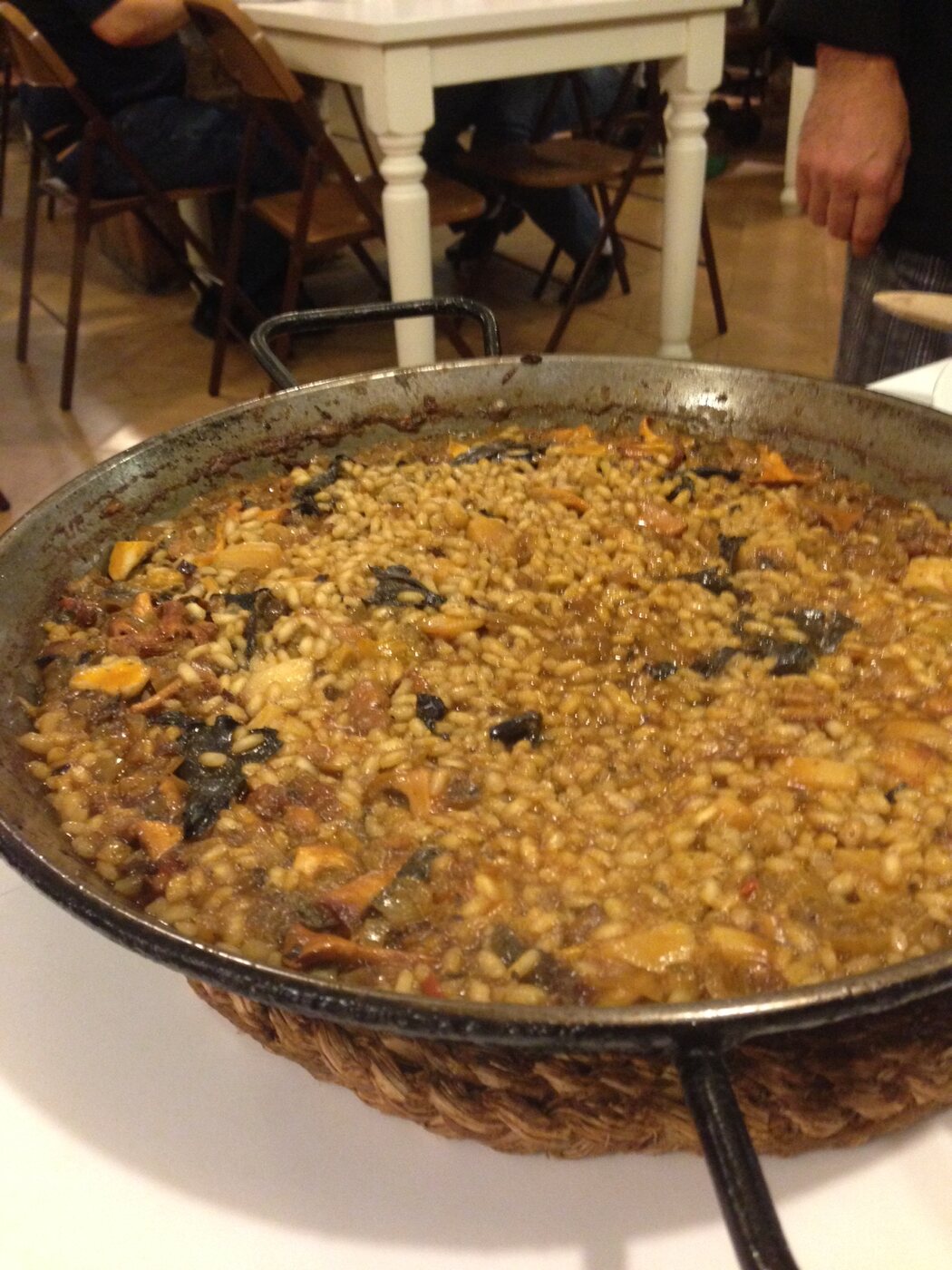
Barquet Tarragona
Carrer del Gasòmetre 16. A truly traditional Tarragona family restaurant, now run by the fourth generation. Rice dishes are a speciality and the cooking is firmly rooted in old regional recipes.
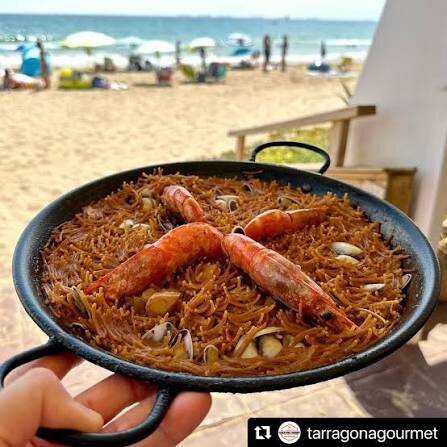
Mirall d'Estiu
Ctra. Platja Llarga. Right on the beach, so here the experience is just as much about the location: eating paella with a view of the sea. The atmosphere is more relaxed and summery than at El Llagut or Barquet.
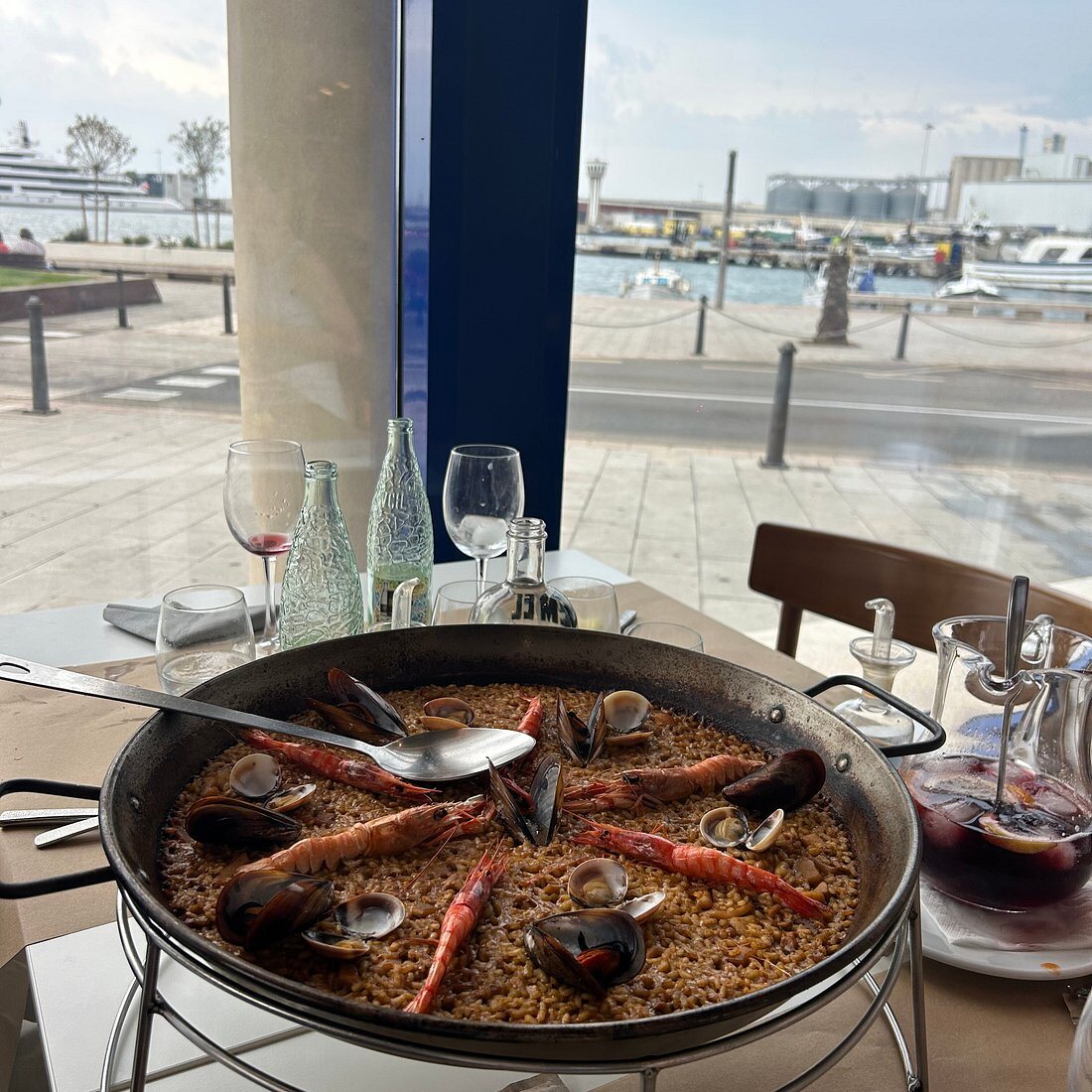
El Pòsit del Serrallo
Moll de Pescadors 25 (in the fishing harbour of El Serrallo). Here you sit in the heart of the old fishermen's quarter, right on the harbour. The kitchen is all about fish, seafood and rice; besides paella, the menu includes dishes such as arroz with cuttlefish, lobster and arroz del señorito.