
Visiting Valencia: where paella belongs
If you love paella, you have to go to Valencia at least once. This is where the dish was born, where everyone has an opinion about it, and where on Sundays the whole family still eats around the pan. I went back to the source for a few days: from a legendary beach restaurant to the rice fields of the Albufera. As the highlight, I got to cook in El Palmar with Raúl Magraner, whose paella was officially named the best in the world.
Along the way I naturally saw a bit of the city too. So besides three special paella addresses, this blog also has a few tourist tips, and at the end a list of places where you can eat a good paella in and around Valencia. 😊
But first: where does paella actually come from?
Where paella comes from
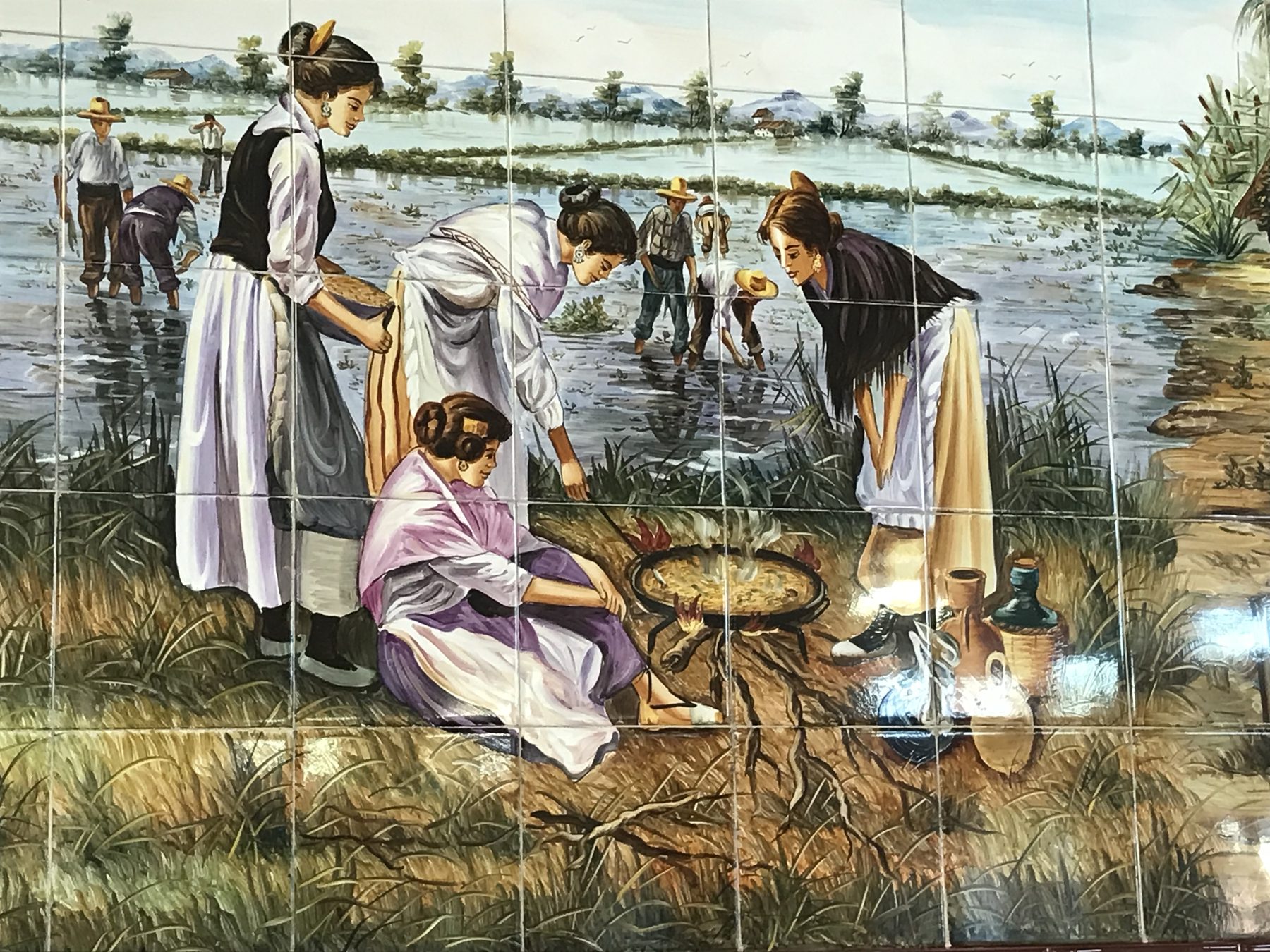
Paella isn't a restaurant dish that later turned “rustic”. It's exactly the other way around. The dish comes from the rice fields around the Albufera, just south of Valencia. Farmers and field workers cooked at midday over a wood fire, in a large flat pan, with whatever was at hand: rice from the land, vegetables from the garden, rabbit, chicken and sometimes snails.
In Valencian that pan is called a paella. So the dish is simply named after the pan. This tile mural shows exactly that scene: women around a pan over the fire, with the rice fields in the background.
La Pepica, since 1898
My first stop is an institution: La Pepica, on the promenade of Malvarrosa beach. The restaurant has been around since 1898 and has had quite a guest list.
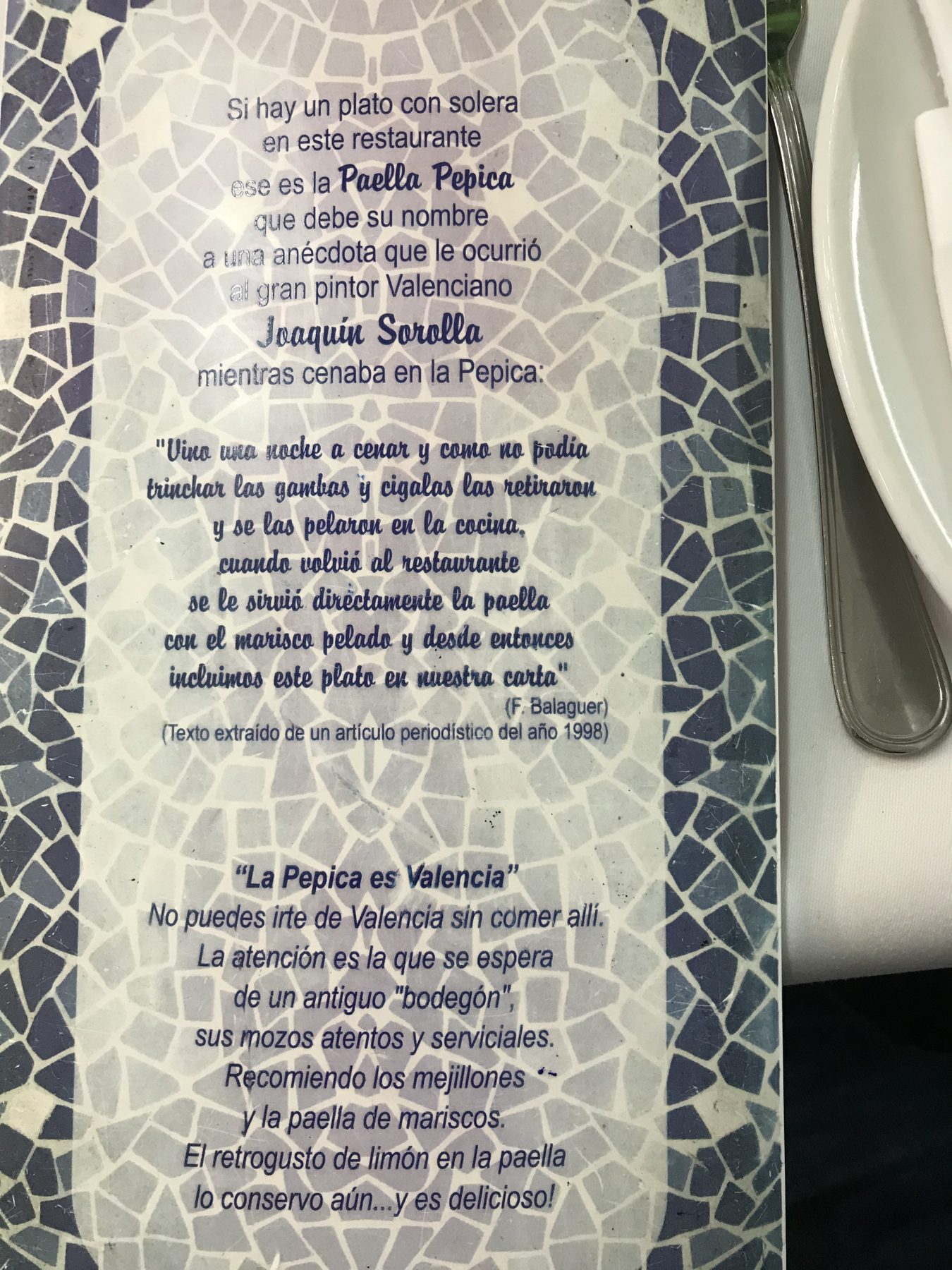
The best story is right there on the menu. The Valencian painter Joaquín Sorolla used to eat here, but didn't feel like peeling prawns and langoustines at the table. So Pepica made him a paella with peeled seafood, and the “Paella Pepica” has been on the menu ever since. According to tradition, Ernest Hemingway was a regular here too. The wall full of old bullfighting photos fits that nicely.
The kitchen of La Pepica
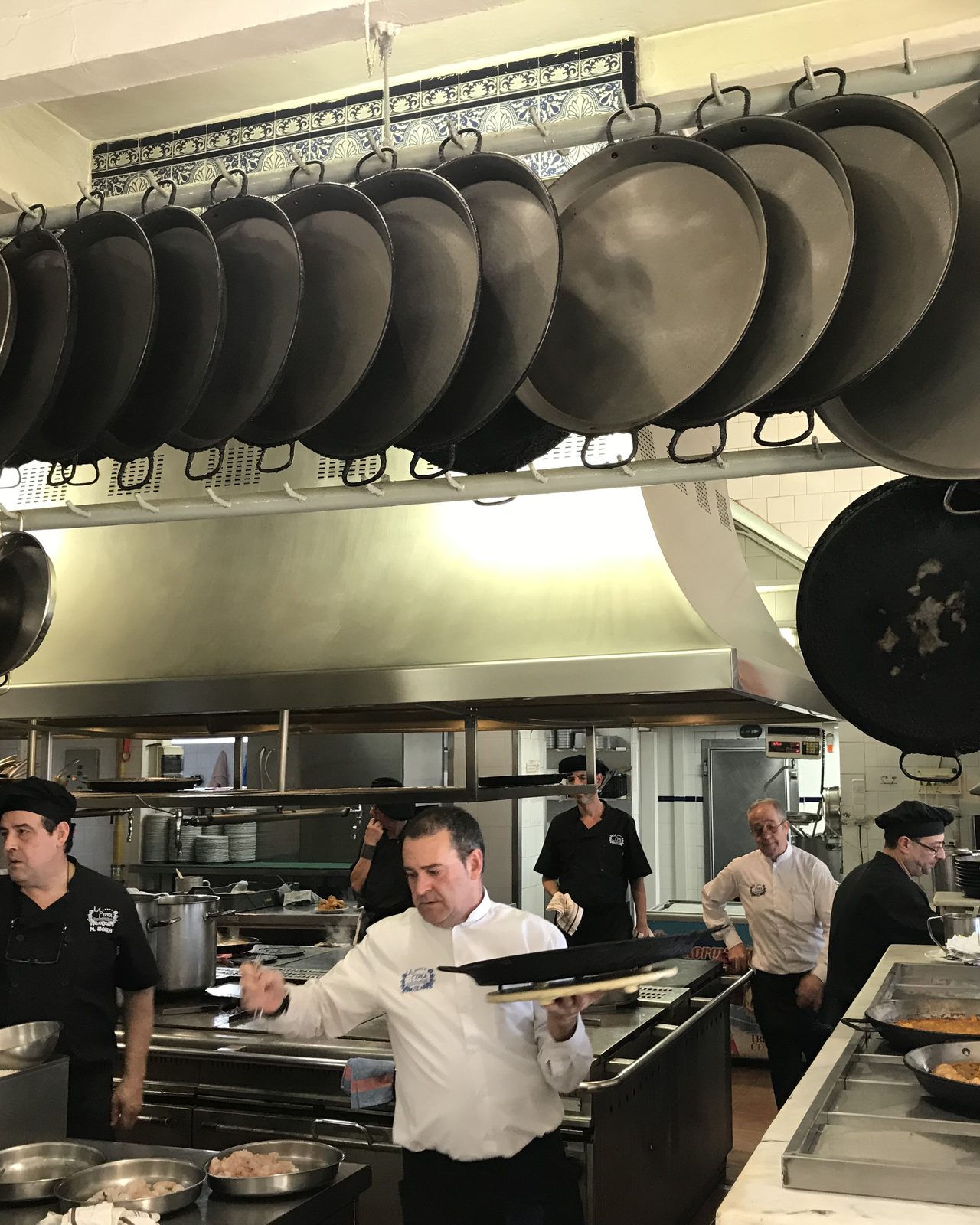
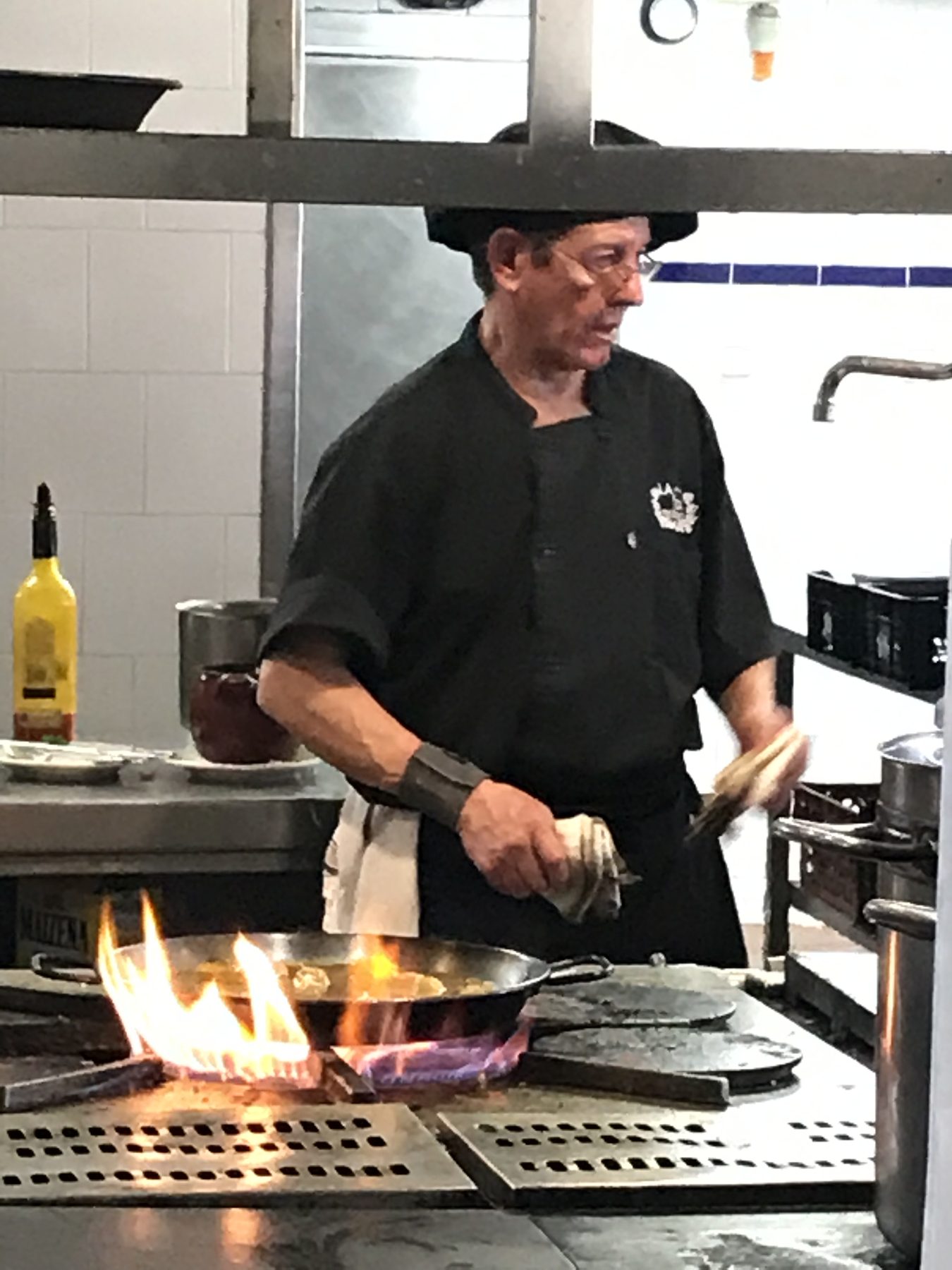
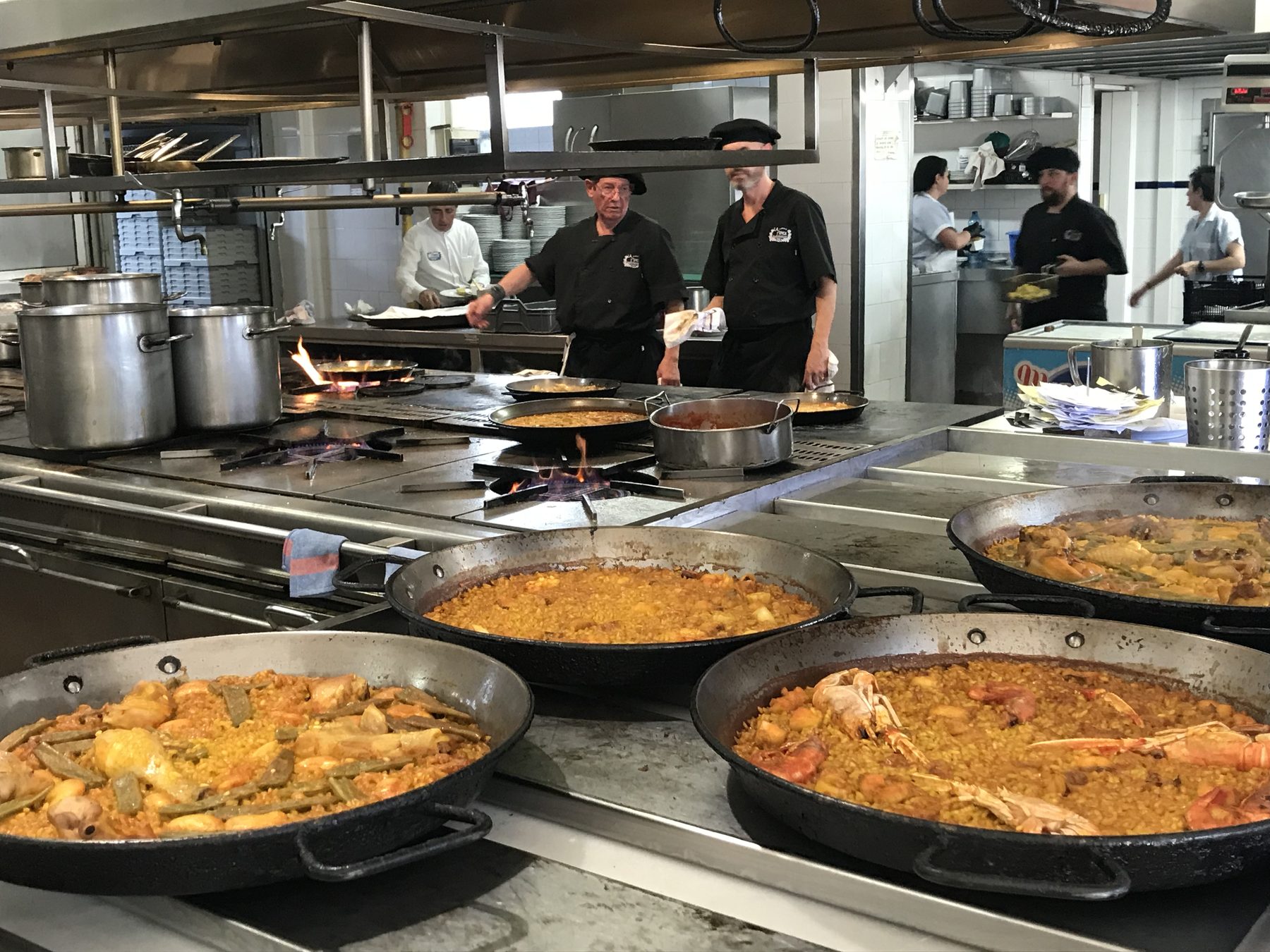
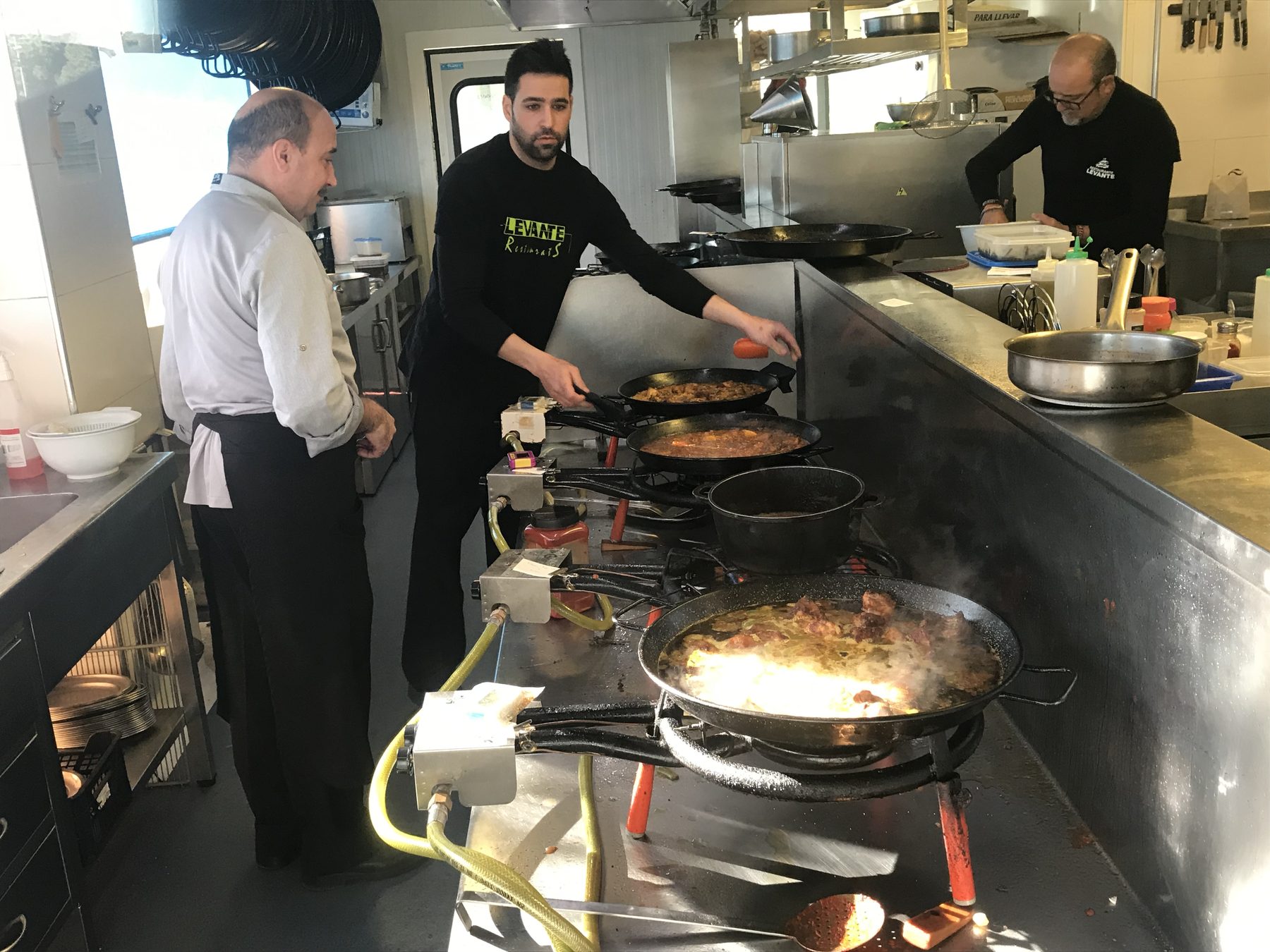
What I love about La Pepica: the kitchen is open and you walk right past it. Dozens of pans are on the fire at the same time, each at a different stage. This is where you see how important the fire is. The cooks constantly turn the heat up or down, shift the pans a little and turn them around, for a good socarrat: the lightly toasted layer of rice at the bottom of the pan.
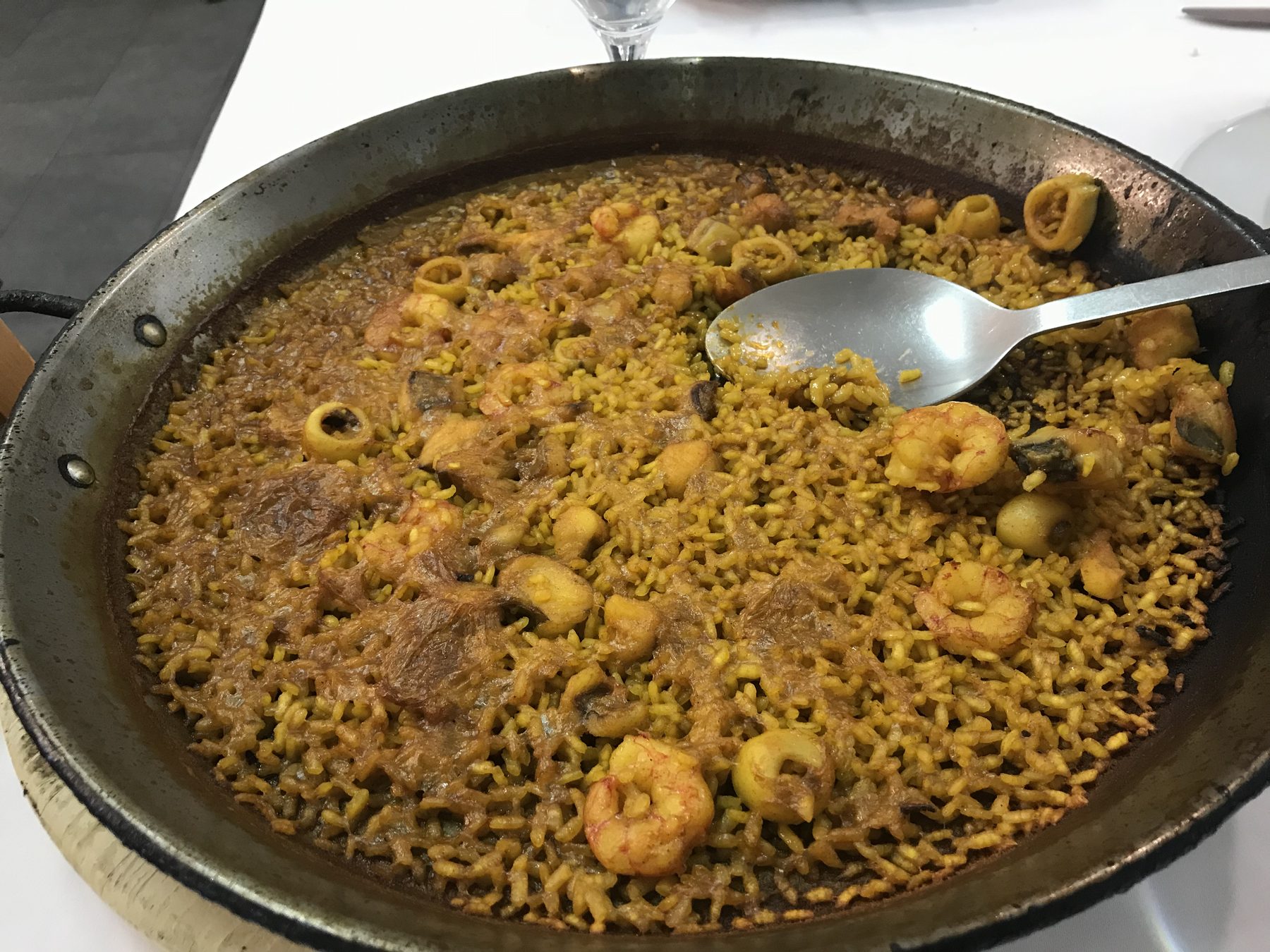
I didn't order paella here but a fideuà, its sibling with short, thin noodles instead of rice, cooked in a rich fish stock. It originally comes from Gandia, a little further down the coast.
Levante: the classic Paella Valenciana
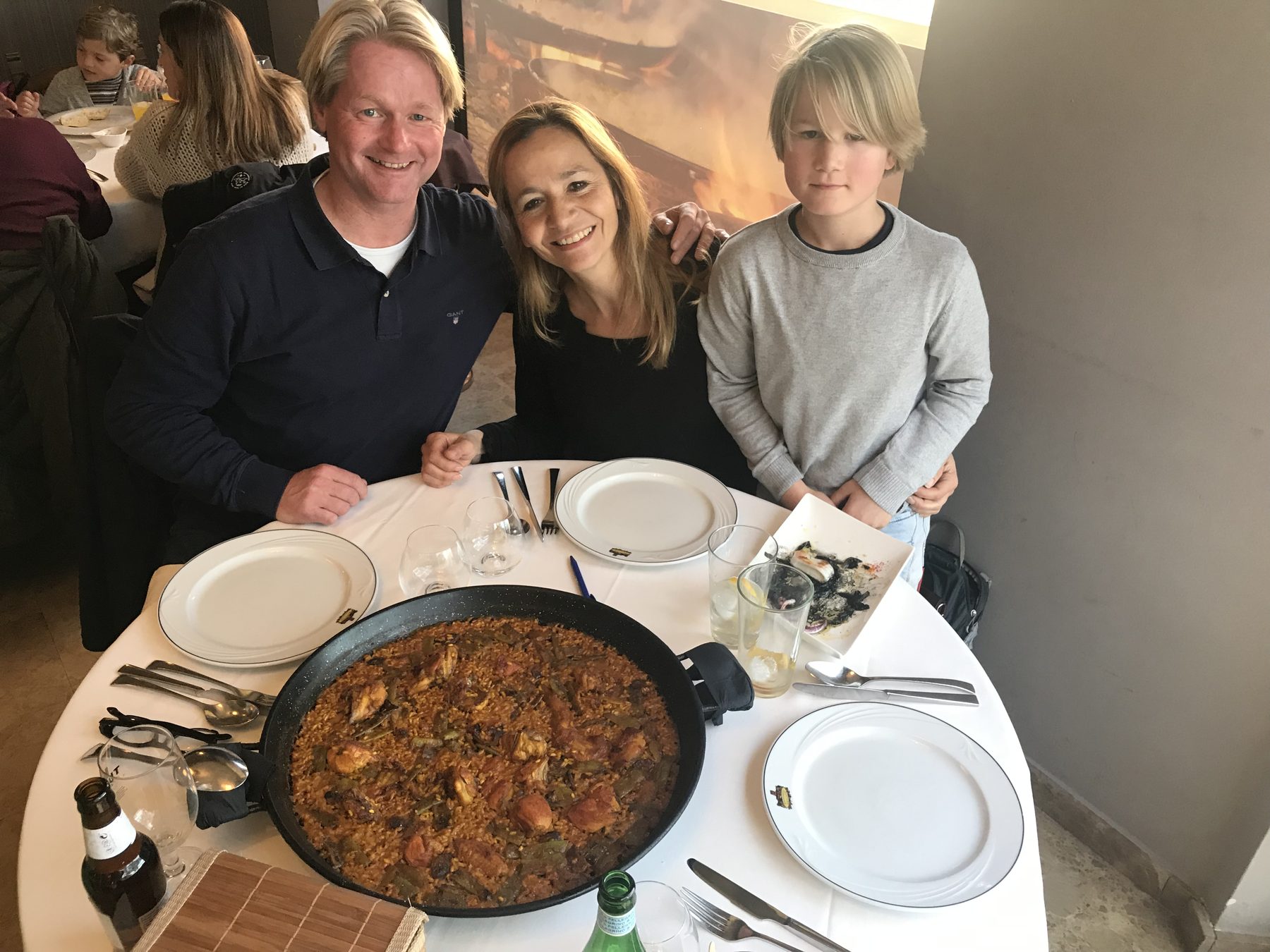
Next, an address that ranks high on connoisseurs' lists: Levante. The family became famous with its restaurant in Benisanó, some 25 kilometres outside the city, but also has a branch in Valencia itself, in the Campanar district. That's where we ate.
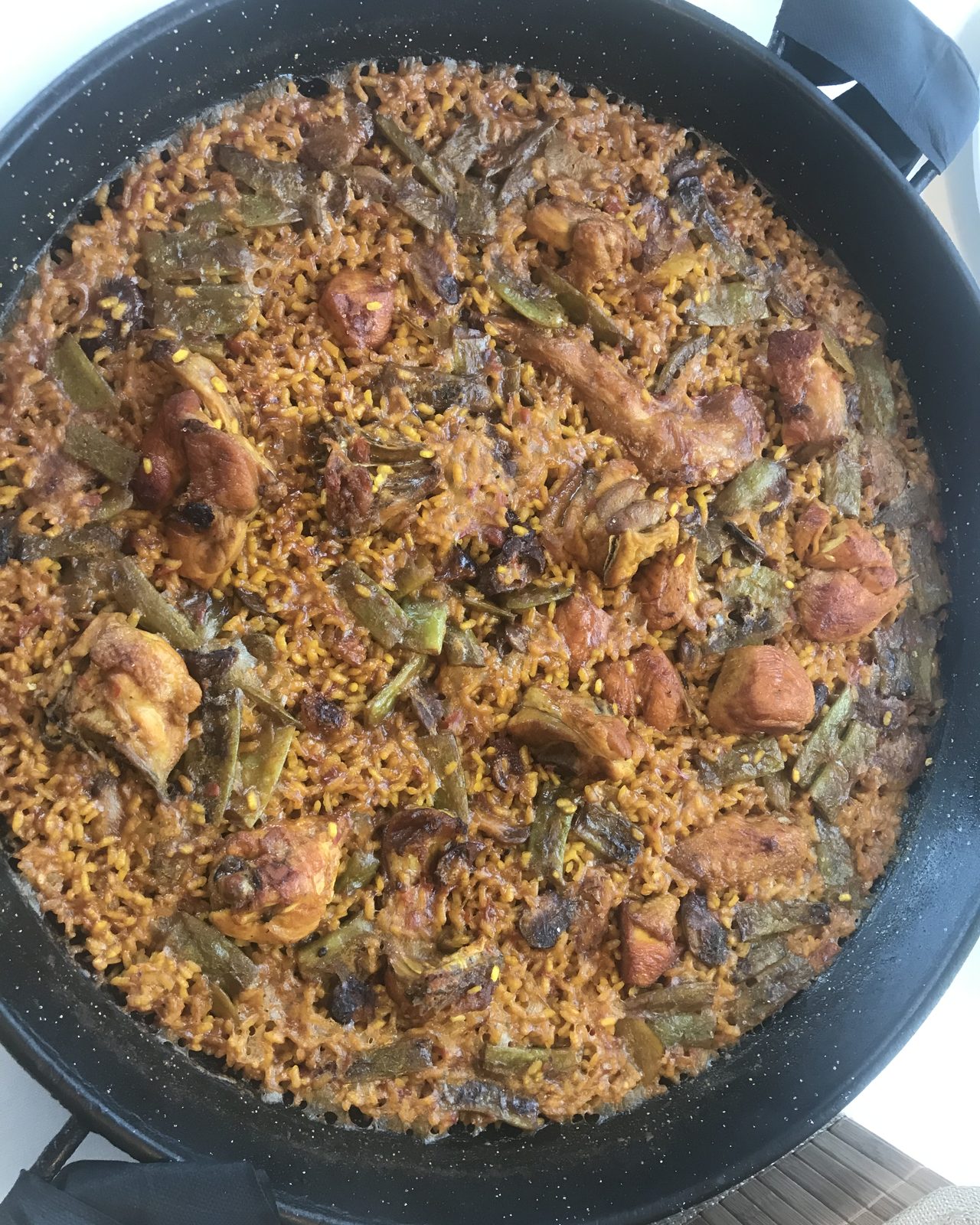
Here it's all about the real Paella Valenciana: chicken, rabbit, flat green beans (ferraura), large white beans (garrofó), tomato, olive oil, saffron, paprika, water, salt and rice. Nothing more. No seafood, no peas, and certainly no chorizo. If you've read my step-by-step blog, you'll recognise the list. Here too the kitchen is full of burners with pans side by side, and here too: waiting is part of it.
Valencia itself: what not to miss
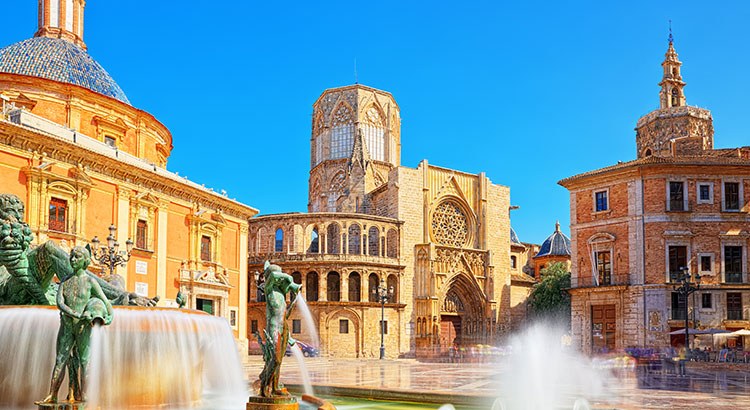
In between all the rice, Valencia is also simply a lovely city to wander around. A few tips:
- Mercado Central: one of the largest covered markets in Europe, in a beautiful modernist building. You'll find everything for a paella here: bomba rice, garrofó, saffron, and rabbit and chicken cut into pieces.
- La Lonja de la Seda: the Gothic silk exchange opposite the market, a UNESCO World Heritage Site.
- The cathedral and the Miguelete: on the Plaza de la Virgen. Climb the tower for a view over the old town. The cathedral holds a chalice that, according to tradition, is the Holy Grail.
- Barrio del Carmen: narrow streets, little squares, street art and terraces.
- Jardín del Turia: a green strip of about 9 kilometres in the old riverbed, perfect for cycling. It ends at the futuristic City of Arts and Sciences.
- Horchata with fartons: the ice-cold tiger nut drink, with sweet pastry sticks for dipping.
- Las Fallas: if you're in town in mid-March, you'll experience Valencia's biggest festival, with giant figures that go up in flames on the last night.
The Albufera
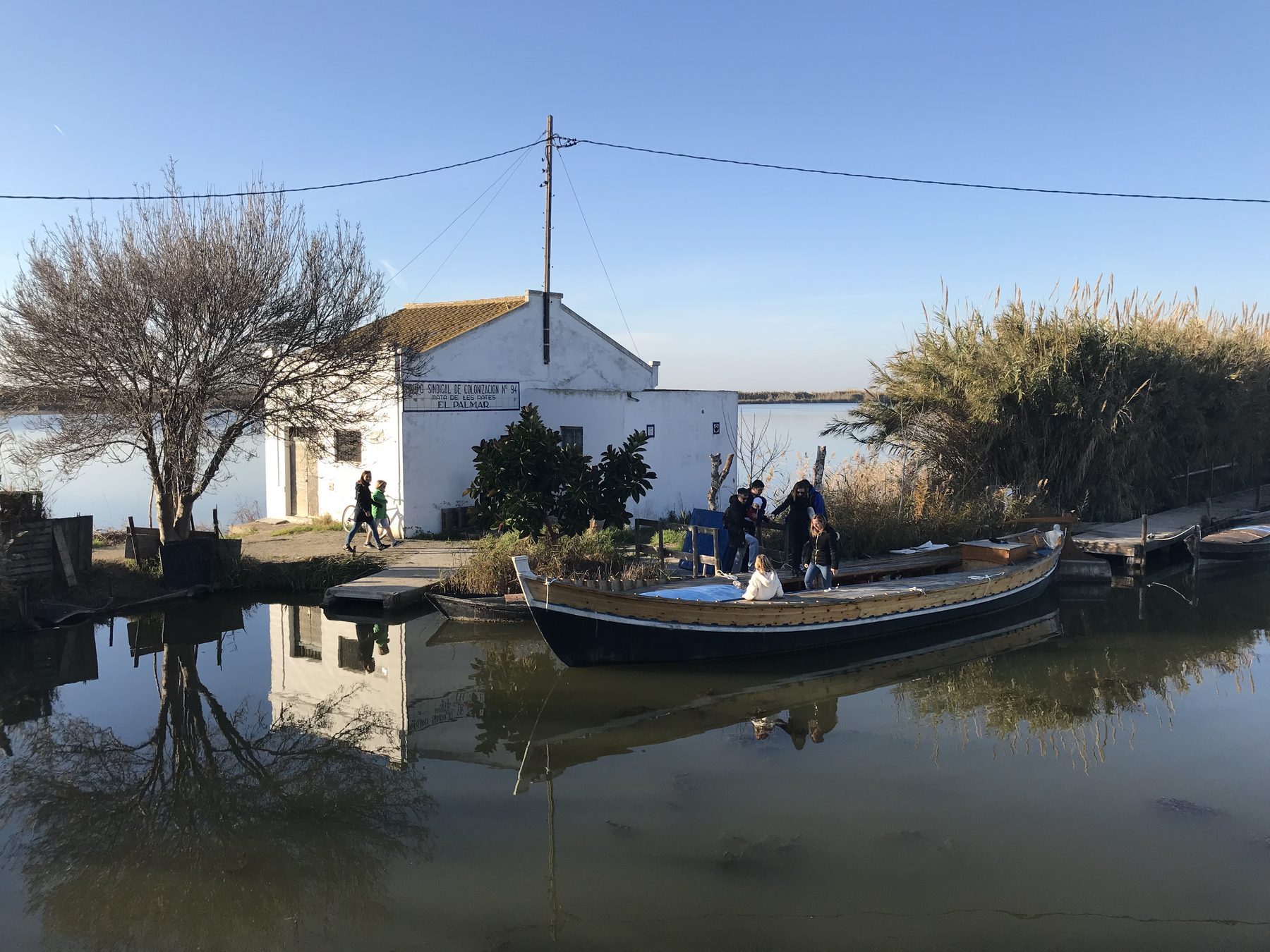
For the real paella story you have to leave the city and head to the Albufera. It's a nature park with a large freshwater lake surrounded by rice fields, less than half an hour's drive south of Valencia. The name comes from Arabic and means something like “the little sea”. A large share of Valencian rice is still grown here.
We took a trip on a traditional flat-bottomed boat through the canals. It's beautiful in winter too, with a bright blue sky and water as smooth as a mirror. If you can, go around sunset: that's when the lake is at its best.
El Palmar: the best paella in the world
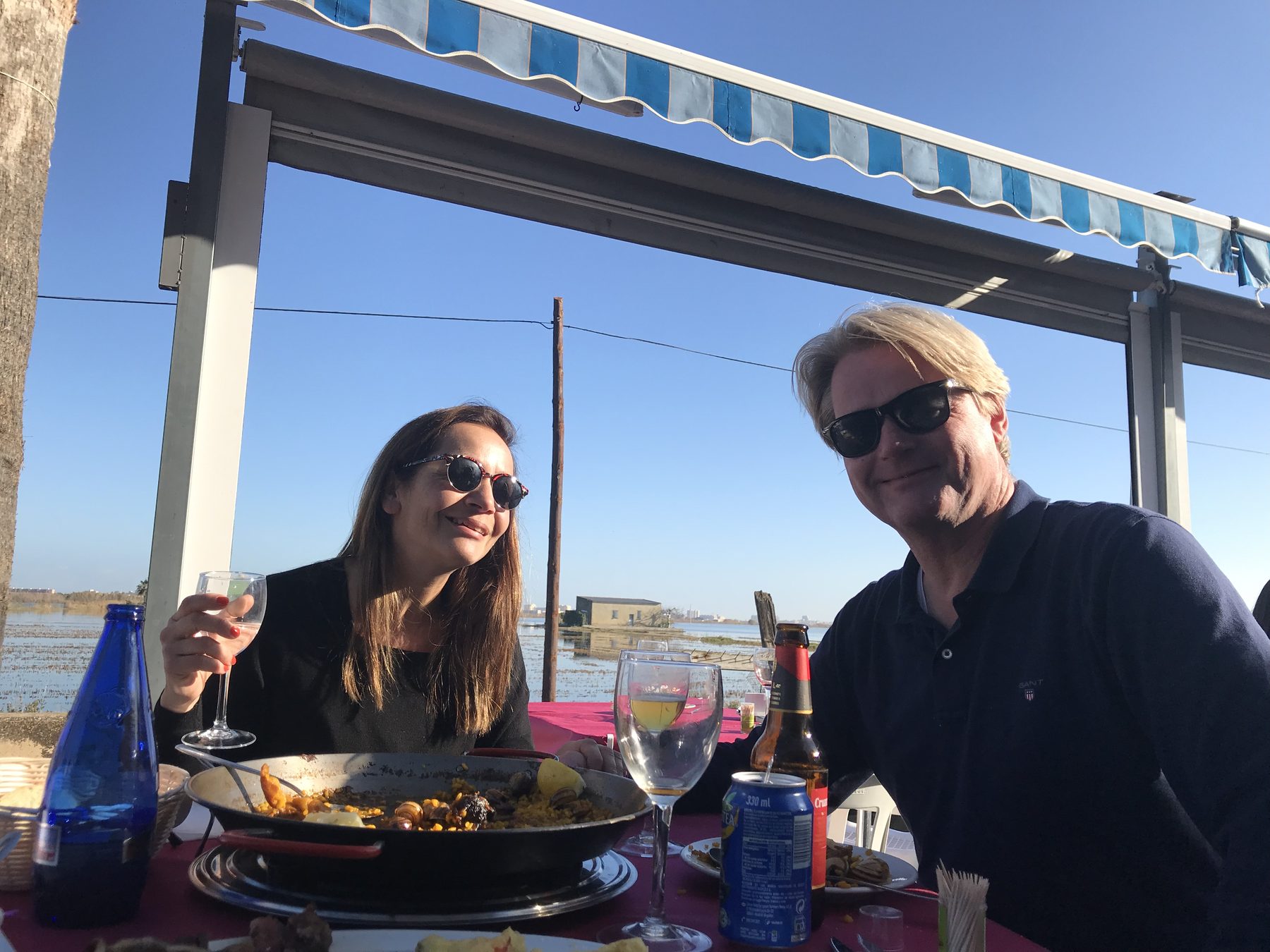
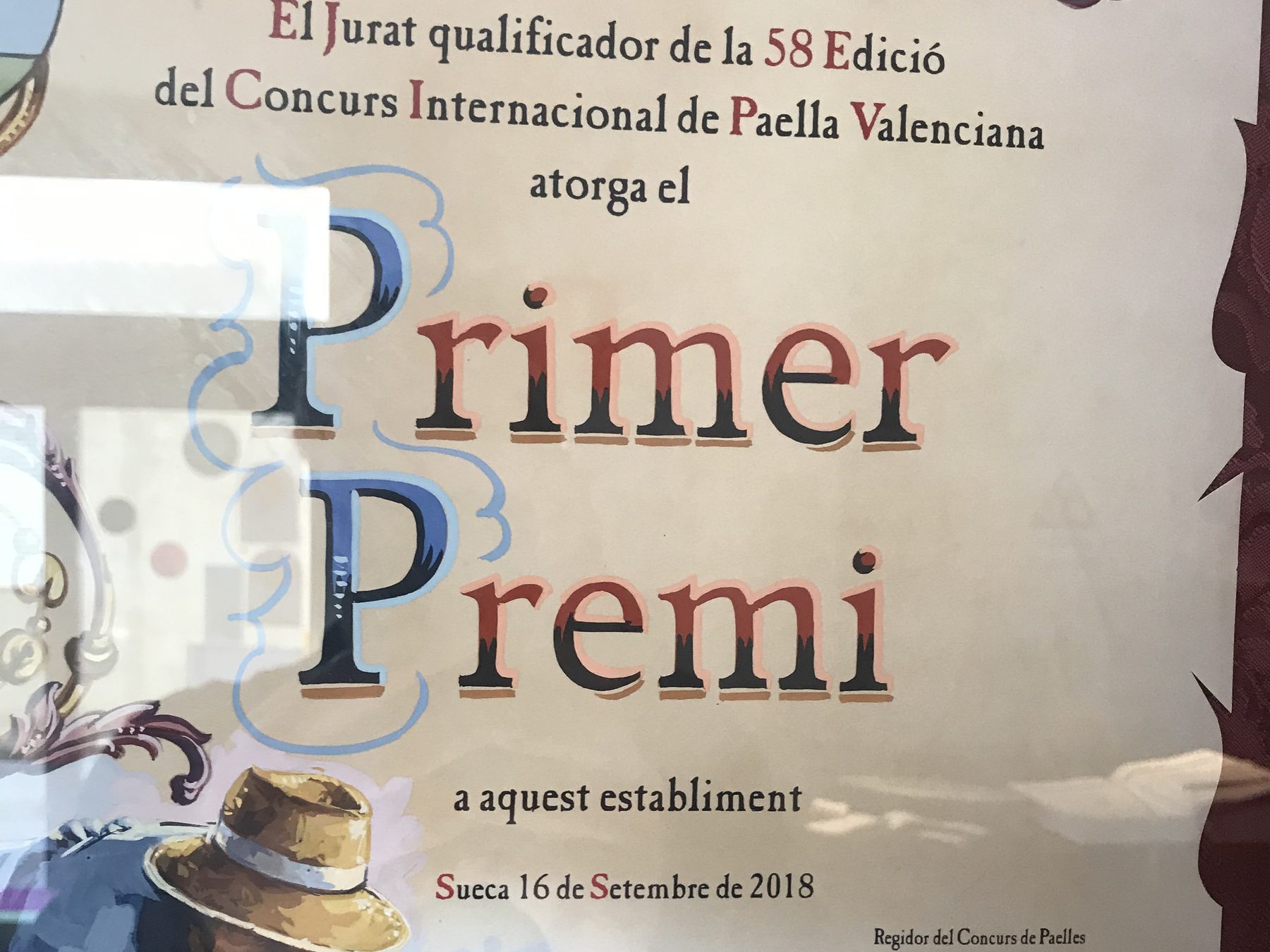
In the middle of the Albufera lies the village of El Palmar. It's full of rice restaurants, but I went for one address: Bon Aire. In September 2018, Bon Aire won first prize at the 58th Concurs Internacional de Paella Valenciana in Sueca. It's the most important paella competition there is, with participants from all over the world. Chef Raúl Magraner and his son Jordi could thereby call themselves the makers of the best Paella Valenciana in the world. The certificate hangs proudly on the wall.
We ate on the terrace, literally among the rice fields. In winter, after the harvest, the fields are flooded, so all around us was water. Eating paella among the flooded rice fields where the rice itself comes from: how cool is that!
Cooking with Raúl
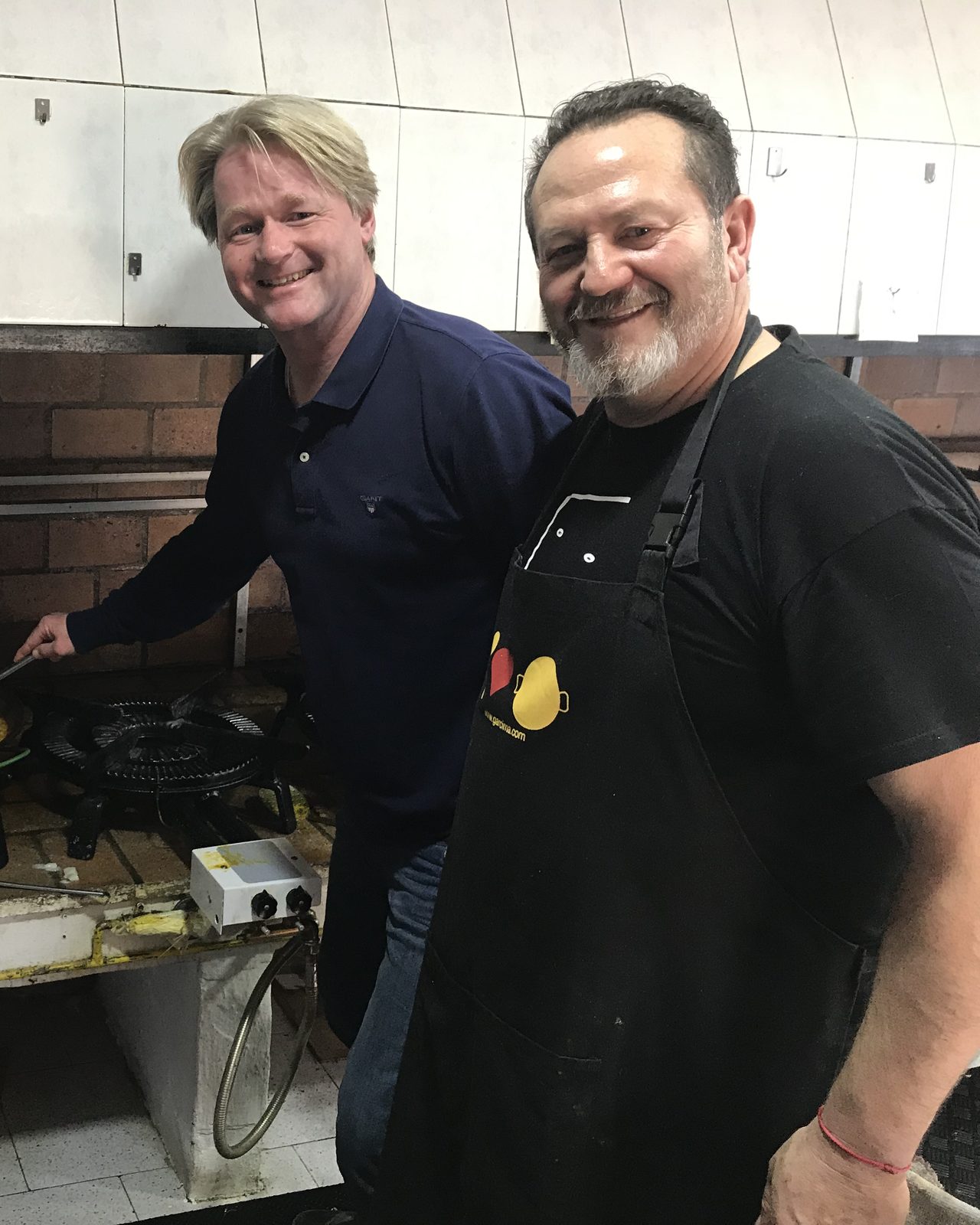
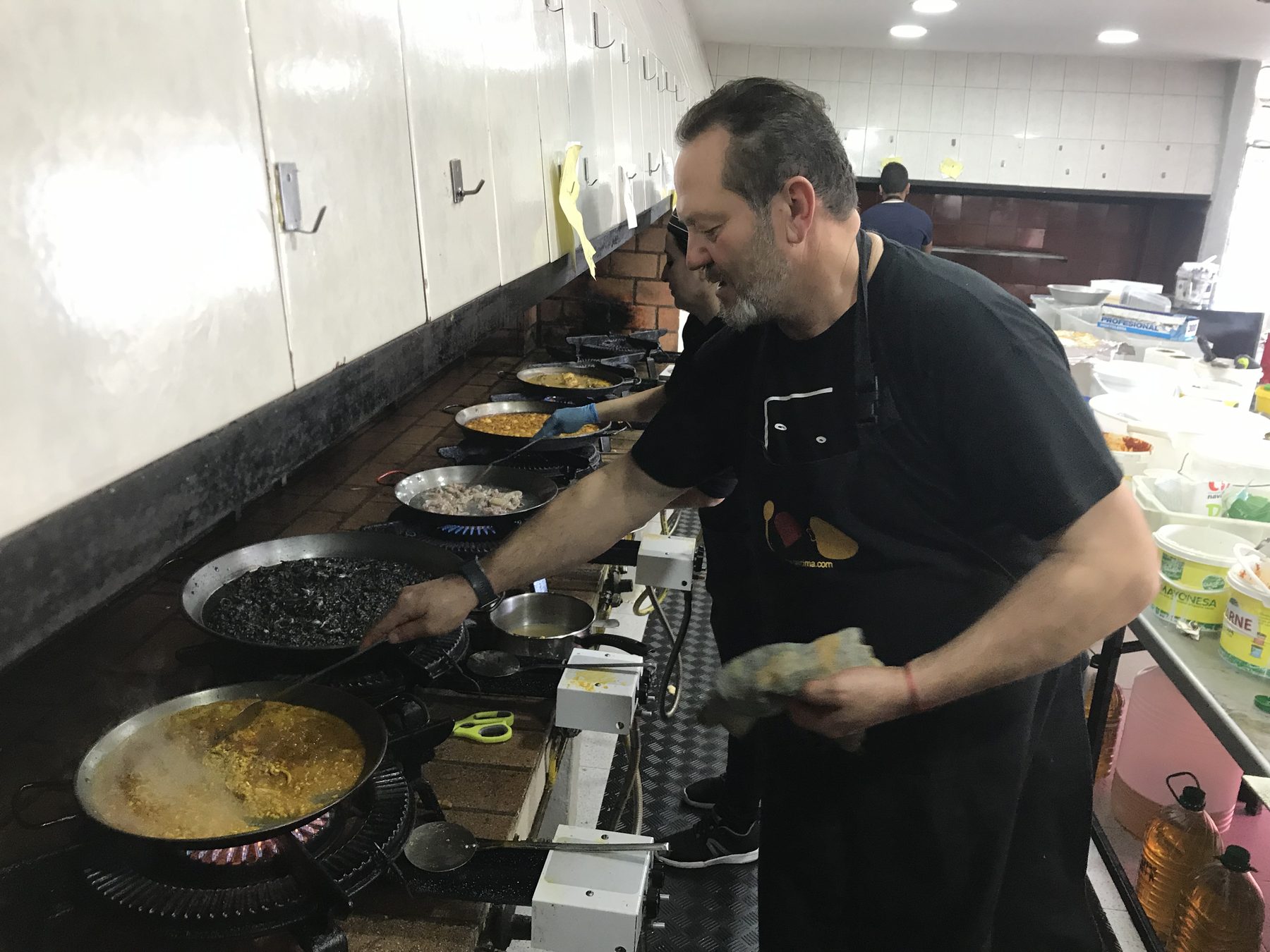
And then the highlight: I was allowed into the kitchen. Raúl himself stands at a long row of burners, with pans of every kind: Paella Valenciana, arroz a banda and also arroz negro, black from the squid ink. He goes from pan to pan, watches, listens and keeps adjusting the fire. His secret, he said himself after the competition, is paying meticulous attention to the timing and to the exact moment something is done. No tricks, just attention.
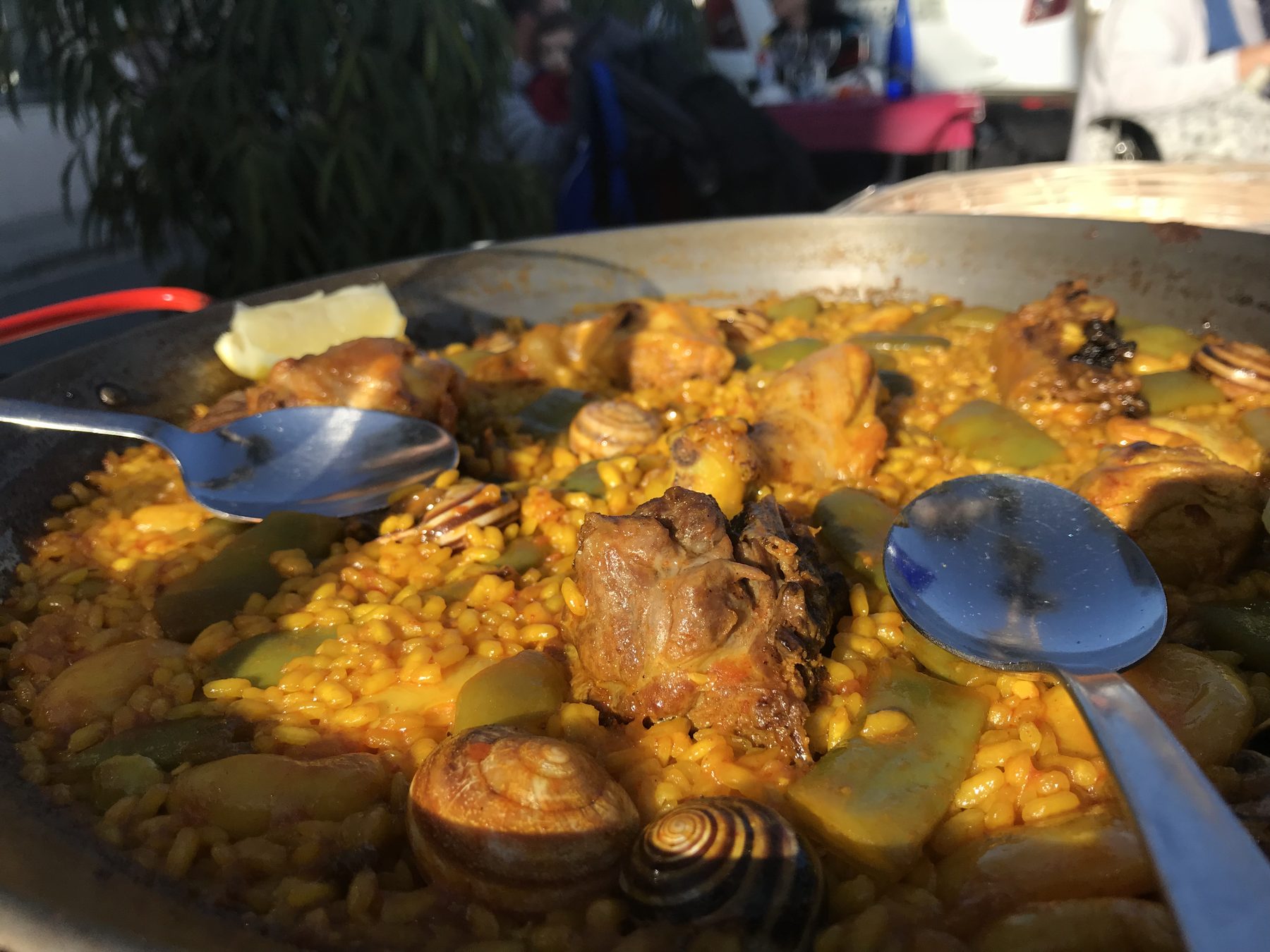
The result: a Paella Valenciana with snails (vaquetes), garrofó and a perfectly thin layer of rice. Every grain separate, full of the flavour of the stock, with that socarrat at the bottom.
What did I take away? Mostly confirmation: good ingredients, patience with the meat, an honest stock and tight timing at the end. Exactly how I do it when I cook for you on location.
Tips for eating paella in Valencia
- Paella is eaten at lunchtime, not in the evening.
- You usually order per pan, for at least two people.
- A good paella is made fresh, so allow 20 to 30 minutes. Order some tapas in the meantime.
- If you see big photos of paellas at the entrance and a menu in ten languages promising your paella within fifteen minutes, keep walking.
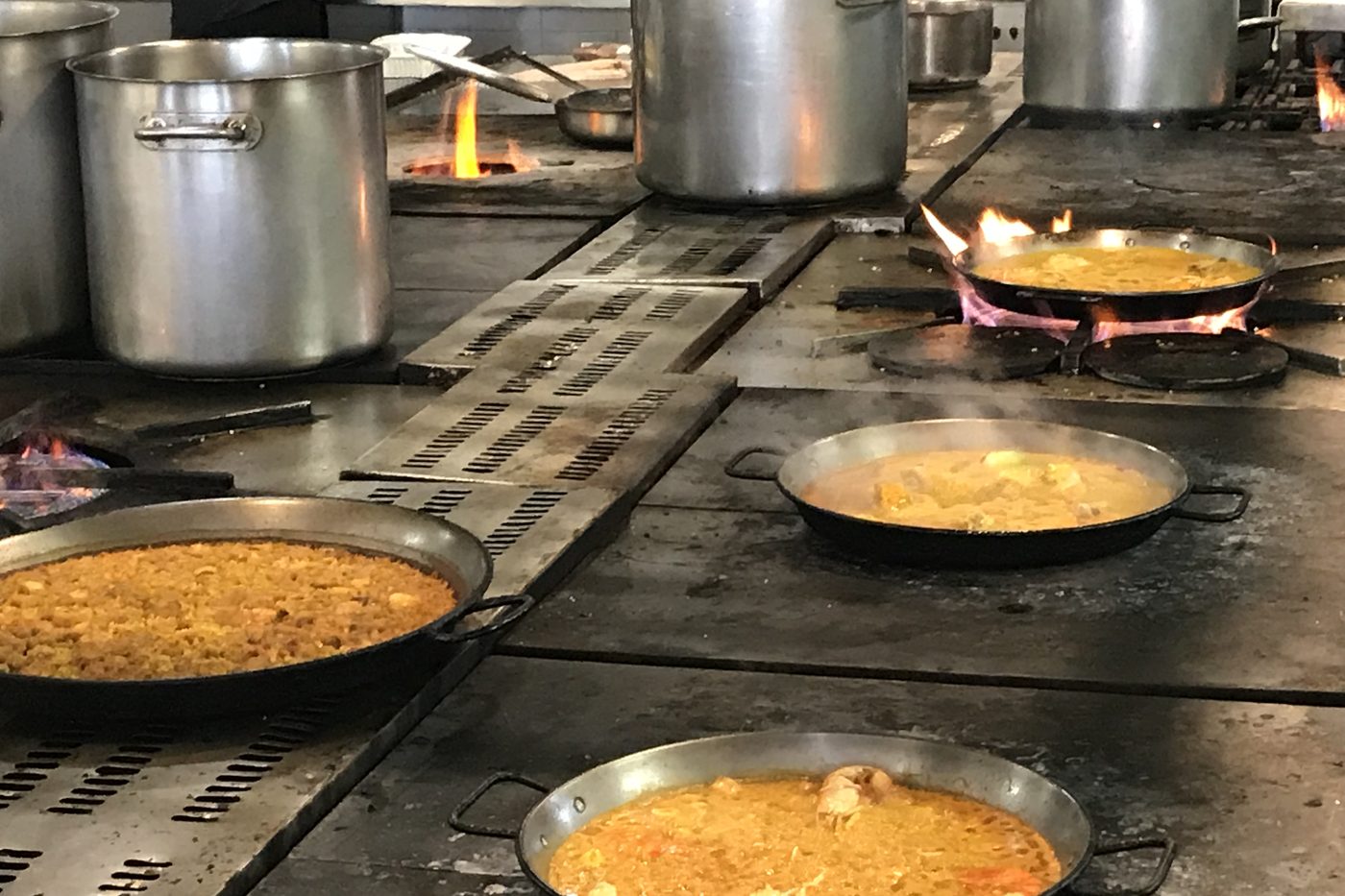
La Pepica
Paseo de Neptuno 6, on Malvarrosa beach. Historic and lively, and ideal to combine with a walk along the beach. Try the Paella Pepica with peeled seafood or a fideuà.
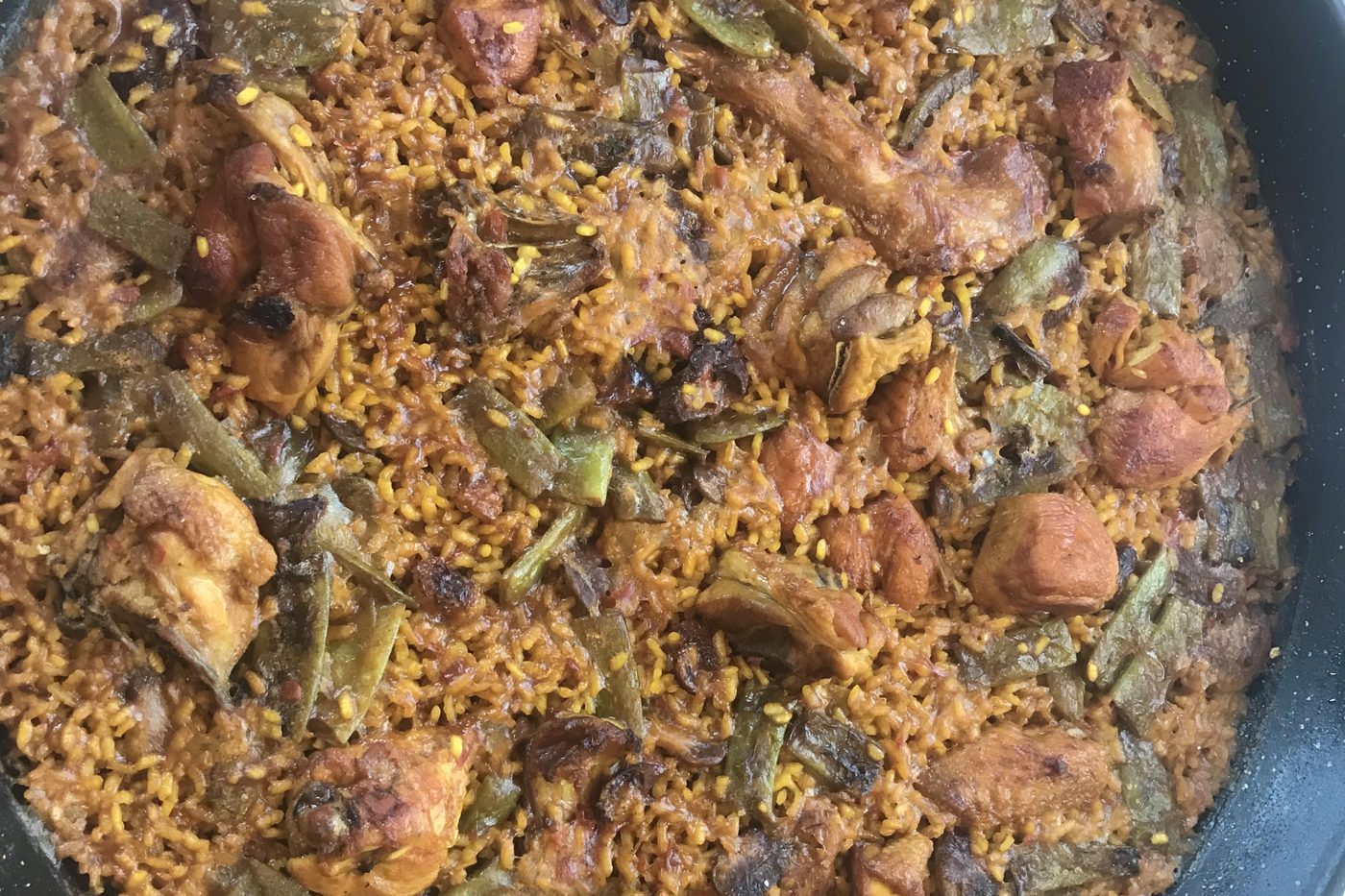
Levante
Av. de Manuel de Falla 12 (Campanar), with the original restaurant in Benisanó. For the classic Paella Valenciana with chicken, rabbit, ferraura and garrofó.
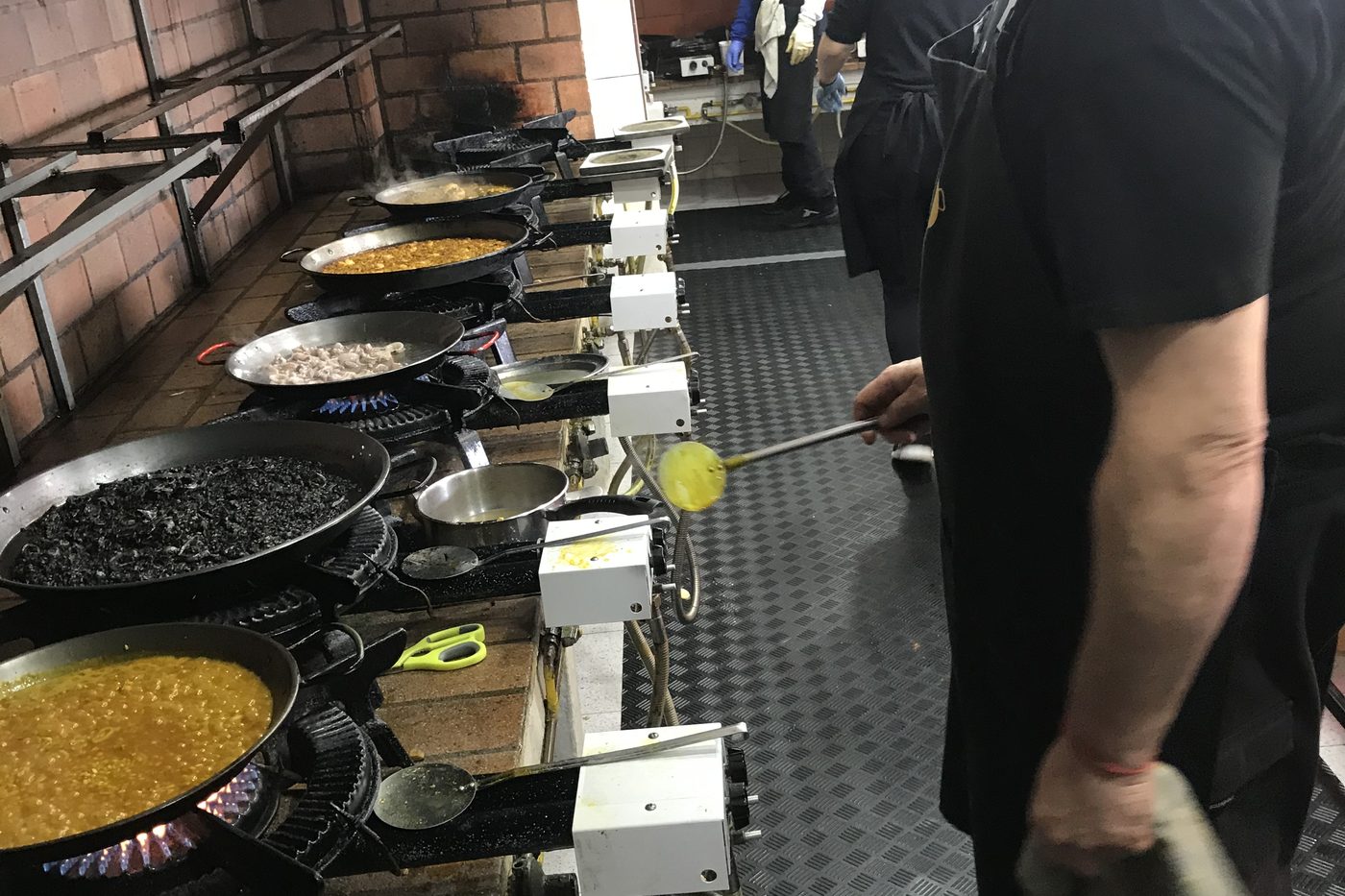
Bon Aire
In El Palmar, in the middle of the Albufera. Winner of first prize in Sueca in 2018. Combine it with a boat trip on the lake.